
Lotus Tree Cat Tower: Features, Benefits, Design, and How to Choose the Right One for Your Cat
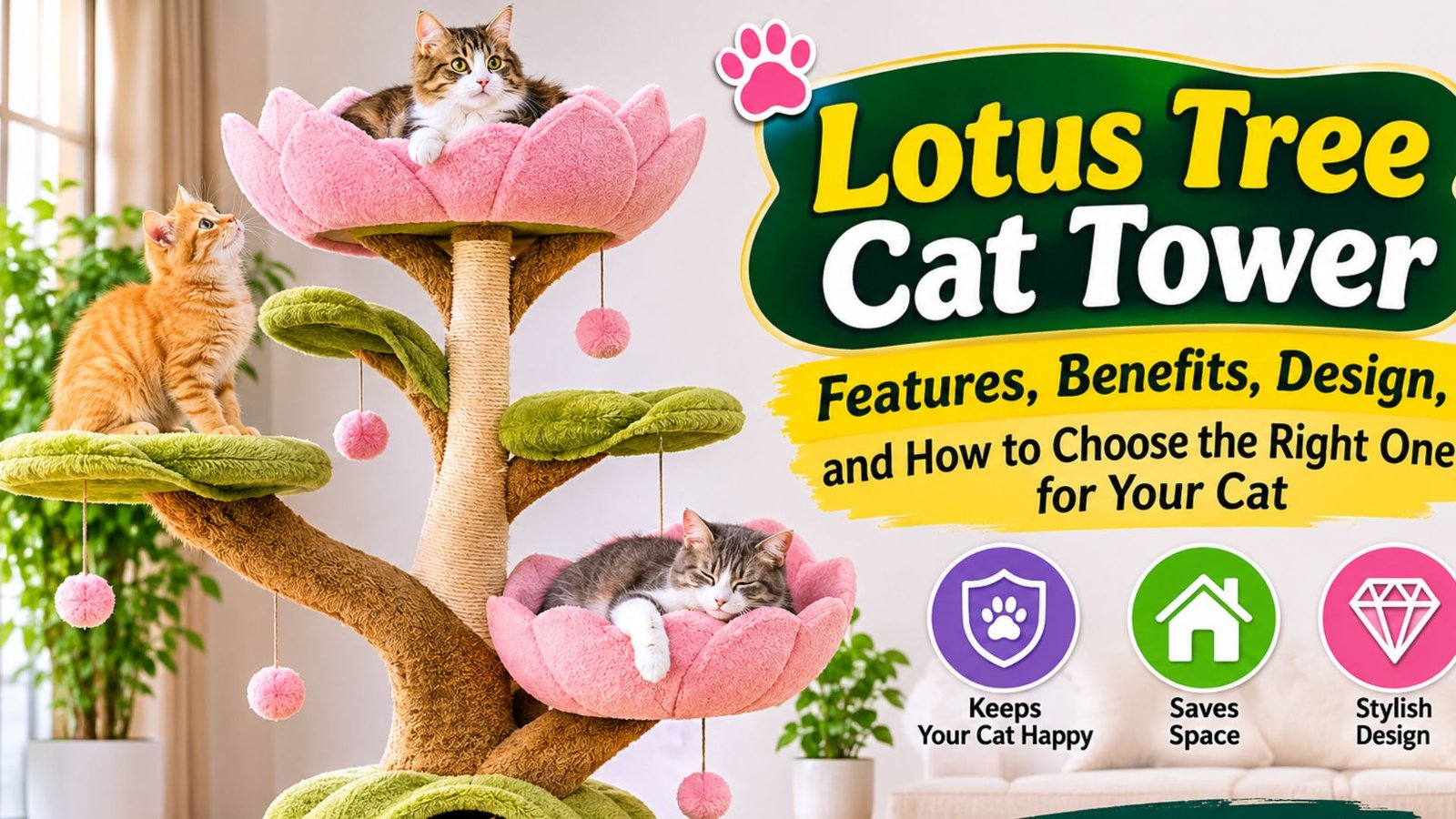
Cats love climbing, scratching, exploring, and finding comfortable places where they can relax. For indoor cats, having furniture that supports these natural behaviors can make everyday life more interesting. A cat tree provides an opportunity to climb, observe the surroundings, exercise, and enjoy a private resting space without needing to go outside.
A lotus tree cat tower is an attractive style of cat furniture inspired by the appearance of a lotus flower or tree. Its design may feature curved platforms, flower-shaped resting areas, multiple levels, and decorative branches that create an interesting environment for cats. Unlike ordinary cat furniture, this style can combine practical features with a nature-inspired appearance that complements modern home interiors.
However, the appearance of a cat tower is only one part of the decision. Cat owners should also consider stability, materials, platform dimensions, scratching surfaces, and the individual needs of their pets.
Whether you have a playful kitten, an active adult cat, or an older companion who prefers comfortable resting places, understanding this style of cat furniture can help you make a better purchasing decision.
What Makes the Lotus Tree Cat Tower Unique?
The most noticeable characteristic of a lotus-inspired cat tower is its creative appearance. Traditional cat trees often use straight vertical posts, rectangular platforms, and simple fabric-covered sleeping areas. A lotus-inspired design may use curved structures and flower-like shapes to create a more decorative appearance.
The exact design depends on the manufacturer and individual model. Not every product described as a lotus tree cat tower includes the same features.
Nature-inspired appearance: Flower-shaped platforms and curved elements can make the furniture look more like a decorative indoor tree.
Multiple levels: Different heights can provide opportunities for climbing, jumping, and observing the room.
Decorative resting areas: Rounded or petal-shaped platforms may offer comfortable places for cats to sit or sleep.
Creative structure: Some designs may use branch-like supports or unusual arrangements instead of conventional straight platforms.
Home decoration: A carefully designed cat tower can become part of the living room or bedroom rather than looking like ordinary pet equipment.
The important point is that an attractive structure should still provide practical benefits. A beautiful design is not useful if it wobbles, has uncomfortable platforms, or does not suit the cat’s size.
Features to Look For in a Lotus Tree Cat Tower
Not all cat towers are constructed in the same way. Before purchasing one, examine its individual features and determine whether they meet your cat’s needs.
Here are some features worth considering.
ComfortableElevated Resting Platforms
Cats naturally enjoy elevated positions because they allow them to observe their surroundings. A raised platform can become a favorite place for watching birds, monitoring household activities, or taking a peaceful nap.
Look for platforms with enough space for your cat to sit, stretch, and turn around comfortably.
Soft padding or fabric covering can make resting areas more comfortable. However, removable and washable covers are especially useful because cat furniture collects loose fur and dust.
Flower-Shaped Sleeping Areas
One possible feature of a lotus-inspired design is a flower-shaped resting platform.
These areas can provide a distinctive appearance while creating a cozy place for cats to relax. Rounded edges and supportive surfaces may make them attractive resting spots.
Before choosing a model, check the actual dimensions of the sleeping area. A flower-shaped platform might look spacious in photographs but offer limited room for a larger cat.
Scratching Posts and Sisal Surfaces
Scratching is a natural feline behavior. Cats scratch to maintain their claws, stretch their bodies, and leave scent marks.
A useful cat tower should provide suitable scratching surfaces.
Common materials include:
- Natural sisal rope
- Sisal fabric
- Durable carpet
- Other textured scratching materials
Sisal is a popular choice because it provides a rough surface that many cats enjoy scratching.
Check whether the scratching sections are tall enough for your cat to stretch while using them.
Climbing and Jumping Spaces
Different platform levels allow cats to move between resting and observation areas.
A well-designed climbing tower can provide physical activity for indoor cats. However, the distance between platforms matters.
Kittens, senior cats, and pets with limited mobility may benefit from shorter climbing distances and easier access.
Cozy Hiding Areas
Cats sometimes prefer quiet, enclosed spaces where they can rest without interruption.
Some cat towers include covered compartments, tunnels, or enclosed sleeping sections. These features can provide a sense of privacy.
If your cat enjoys hiding under furniture or inside boxes, an enclosed resting area may be particularly useful.
Interactive Toys
Hanging toys, small balls, and dangling accessories can encourage playful behavior.
These additions may help keep curious cats entertained, especially when they spend most of their time indoors.
Nevertheless, inspect attached toys regularly. Remove damaged accessories or loose strings that could become entanglement or swallowing hazards.
Stable and Supportive Construction
Stability is one of the most important features of any cat tower.
A tower should remain secure when a cat jumps onto a platform or moves between levels.
Look for:
- A sufficiently wide and heavy base
- Strong connecting supports
- Securely attached platforms
- Quality screws and fittings
- Construction appropriate for your cat’s weight
Do not assume that every lotus tree cat tower includes all these features. Always check the manufacturer’s specifications and product photographs.
Benefits of a Lotus Tree Cat Tower for Indoor Cats
Indoor cats need opportunities to express natural behaviors. A suitable cat tower can help provide a more stimulating home environment.
Encourages Physical Exercise
Cats need regular movement to maintain healthy muscles and mobility.
Climbing, jumping, and moving between platforms can encourage physical activity. A tower may be particularly helpful for indoor cats that do not have access to outdoor climbing opportunities.
It should complement, rather than replace, interactive play and regular exercise.
Supports Natural Scratching Behavior
Scratching is an important part of a cat’s daily routine.
Providing an appropriate scratching surface may encourage cats to use their tower instead of household furniture.
Place the tower somewhere your cat already enjoys spending time to increase the chances of successful use.
Provides Mental Stimulation
An elevated platform can offer a different perspective of the surrounding environment.
Cats may enjoy watching people, observing movement outside windows, or following household activities from a comfortable position.
Changing toys occasionally and encouraging exploration can make the tower more interesting.
Creates a Comfortable Resting Space
Cats spend a significant portion of their day sleeping or resting.
A tower with suitable sleeping platforms can provide additional places to relax.
Some cats prefer elevated sleeping areas, while others enjoy enclosed spaces. Having different options may help accommodate individual preferences.
Improves Indoor Environmental Enrichment
Environmental enrichment means providing opportunities for animals to engage in natural behaviors.
A well-designed cat tower can support climbing, scratching, hiding, resting, and exploration.
For households with limited outdoor space, this type of furniture can contribute to a more interesting indoor environment.
Is a Lotus Tree Cat Tower Suitable for Kittens?
A lotus tree cat tower can be suitable for kittens if its construction and layout are appropriate for their age and physical abilities.
Young kittens are naturally curious and enjoy exploring different heights. However, they may not have the coordination or jumping ability of adult cats.
When selecting a tower for a kitten, consider the following factors.
Accessible platforms: Choose a design with manageable distances between levels.
Low resting areas: Kittens should have places to rest without needing to climb to the highest platform.
Stable construction: The tower should not move excessively when a kitten climbs or plays.
Safe materials: Avoid exposed sharp edges, loose components, and poorly secured accessories.
Supervised exploration: Allow your kitten to explore the tower while you observe its movements.
As your kitten grows, its climbing ability and physical requirements will change. You may eventually need a larger structure that provides more space and stronger support.
Is It a Good Choice for Large Cats?
Large cats need more space and stronger support than smaller breeds.
A lotus-inspired design may work well for a large cat, but the flower-shaped appearance alone does not guarantee that it will be suitable.
Pay attention to these important details.
Weight Capacity
Check the manufacturer’s stated maximum weight capacity.
If you have multiple cats, consider whether the structure can safely support their combined weight when they use different platforms.
Never assume a tower is suitable for a large cat simply because it looks sturdy.
Platform Dimensions
Large cats need enough space to sit, stretch, turn around, and lie down comfortably.
Small decorative platforms may be uncomfortable for heavier or longer-bodied cats.
Measure your cat’s usual resting position and compare it with the available platform dimensions.
Construction Quality
Look for strong supports, secure connections, and a stable base.
A poorly balanced tower can become dangerous when a heavy cat jumps onto its upper levels.
Comfortable Sleeping Space
Resting areas should accommodate your cat without forcing it into an uncomfortable position.
If your cat enjoys sleeping curled up, a smaller enclosed area might work. Cats that prefer stretching out need larger platforms.
How to Choose the Best Lotus Tree Cat Tower
Choosing the right tower requires more than comparing photographs or selecting the most decorative design.
Consider the following buying factors before making your decision.
Material Quality
The materials determine how comfortable and durable the tower will be.
Look for strong structural supports, quality fabric, secure scratching surfaces, and materials suitable for regular use.
Avoid products with poorly attached coverings, exposed staples, sharp edges, or noticeable construction defects.
Overall Dimensions
Measure the available floor space before purchasing.
A large tower may provide more climbing opportunities, but it should not block doors, walking paths, or access to other furniture.
Also consider ceiling height if the structure is particularly tall.
Stability and Durability
Stability should be a priority, especially if your cat enjoys jumping and climbing.
Check the base dimensions and construction materials. Read assembly instructions carefully and make sure all connecting parts can be tightened securely.
If the manufacturer recommends wall anchoring, follow those instructions.
Scratching Surfaces
Consider your cat’s scratching preferences.
Some cats prefer vertical scratching posts, while others enjoy horizontal or angled surfaces.
A tower with suitable scratching areas can make the furniture more useful.
Comfort and Cleaning
Soft resting areas can make a tower more appealing.
However, comfort should not come at the expense of easy maintenance.
Look for removable cushions, washable covers, and materials that can be vacuumed without damage.
Cat Size and Personality
Every cat has different preferences.
An energetic cat may enjoy several climbing levels and interactive toys. A relaxed cat may prefer wide resting platforms and cozy sleeping spaces.
Consider your cat’s age, weight, activity level, and favorite resting positions.
Available Space at Home
The best cat tower should fit naturally into your home.
Think about where your cat spends most of its time and whether the tower will remain accessible throughout the day.
A suitable location can make a significant difference in how frequently your cat uses it.
Lotus Tree Cat Tower vs. Traditional Cat Trees
Both lotus-inspired towers and traditional cat trees can support climbing, scratching, and resting.
The main differences usually involve appearance, construction, and the arrangement of features.
| Feature | Lotus Tree Cat Tower | Traditional Cat Tree |
| Appearance | May feature flower-inspired or curved designs | Usually uses conventional platforms and posts |
| Structure | Can have decorative branch-like arrangements | Often has straightforward vertical construction |
| Resting areas | May include rounded or flower-shaped platforms | Commonly includes flat beds and enclosed spaces |
| Scratching | Depends on the individual model | Often includes sisal-covered posts |
| Space requirements | Vary according to the design | Available in compact and large sizes |
| Decoration | May offer a distinctive decorative appearance | Often focuses more on practical functionality |
Neither style is automatically better.
A traditional cat tree may offer excellent functionality at a practical price, while a lotus-inspired design may appeal to owners who prefer more decorative pet furniture.
The best choice depends on your cat’s needs, available space, construction quality, and personal preferences.
Where Should You Place a Lotus Tree Cat Tower?
Location can influence how comfortable your cat feels using its new furniture.
Choose a position that provides easy access without creating unnecessary hazards.
Near a Window
Many cats enjoy watching birds, passing people, and outdoor activity.
Placing the tower near a secure window can provide visual stimulation.
Make sure the window is safely secured and that the tower cannot be used to reach an unsafe opening.
In a Quiet Corner
A quiet corner can be a good location for cats that prefer privacy.
Avoid placing the tower somewhere with constant noise or frequent interruptions.
In a Shared Living Area
Some cats enjoy being close to their owners.
Placing the tower in a living room or another commonly used space can help your cat remain involved in household activities.
On a Stable Surface
Always place the tower on a level floor.
Avoid slippery surfaces and locations where the structure could easily be knocked over.
Keep it away from unstable furniture, hot appliances, and other potential hazards.
How to Introduce Your Cat to a New Tower
Some cats immediately investigate new furniture, while others take several days to become comfortable.
Allow your pet to explore at its own pace.
Here are some helpful introduction techniques.
Start with the lower levels: Let your cat investigate the base and accessible platforms before encouraging it to climb higher.
Use familiar blankets: Placing a familiar blanket on a resting platform can make the new furniture feel more comfortable.
Offer treats: Put a few treats on different levels to encourage exploration.
Try interactive toys: Use a favorite toy to guide your cat toward the tower without forcing it to climb.
Provide positive reinforcement: Praise your cat when it explores or uses the furniture.
Avoid forcing interaction: Never push or carry a frightened cat onto the highest platform.
Patience is important. Your cat may need time to recognize the tower as a safe and enjoyable part of its environment.
Cleaning and Maintaining Your Cat Tower
Regular cleaning helps keep cat furniture comfortable and hygienic.
Hair, dust, dirt, and other debris can collect on platforms and scratching surfaces.
Follow these maintenance practices to keep the tower in good condition.
Vacuum Loose Fur
Use a vacuum attachment to remove loose hair from fabric platforms, cushions, and enclosed sleeping areas.
A pet hair removal brush can also help with stubborn fur.
Clean Fabric Surfaces
Follow the manufacturer’s cleaning instructions.
If cushions or covers are removable, wash them according to their care labels.
Allow cleaned materials to dry completely before putting them back.
Inspect Scratching Materials
Check sisal rope and other scratching surfaces for excessive wear.
Damaged or loose materials may need repair or replacement.
Check Screws and Connections
Climbing and jumping can gradually loosen connecting hardware.
Inspect screws, bolts, and other fittings regularly. Tighten them according to the manufacturer’s instructions.
Maintain Structural Stability
Look for cracks, damaged supports, loose platforms, and signs of movement.
Stop allowing your cat to use the tower if you discover a structural problem that could cause it to collapse.
Regular maintenance can extend the useful life of the furniture and help keep your pet safe.
Mistakes to Avoid When Buying a Cat Tower
Even an attractive cat tower can become a poor purchase if important details are overlooked.
Choosing appearance over safety: A beautiful flower-inspired design is not worth buying if the structure is unstable or poorly constructed.
Ignoring weight limits: Always check the manufacturer’s recommended weight capacity.
Overlooking platform dimensions: Make sure resting areas are large enough for your cat.
Forgetting available floor space: Measure the intended location before ordering.
Ignoring scratching preferences: A cat that enjoys scratching needs suitable surfaces.
Choosing difficult climbing arrangements: Very high platforms with large gaps may be unsuitable for kittens and older cats.
Neglecting maintenance: Fabric, scratching materials, and connecting parts require regular inspection.
Assuming every model has identical features: The term lotus tree cat tower describes a design concept, not one universal product specification.
Careful research can help you avoid these problems and select furniture that offers practical value.
Is a Lotus Tree Cat Tower Worth Buying?
A lotus tree cat tower can be a worthwhile addition to a home when its design meets the needs of the cat and its owner.
Its nature-inspired appearance may appeal to people who want pet furniture that looks different from conventional cat trees. Depending on the model, it may also provide elevated resting spaces, climbing opportunities, scratching areas, and places to relax.
For indoor cats, these features can support everyday physical activity and environmental enrichment.
However, not every decorative model offers the same level of functionality. Some may prioritize appearance, while others provide more practical features.
Before purchasing, compare the tower’s dimensions, weight capacity, materials, stability, scratching surfaces, and cleaning requirements.
It is also important to consider your cat’s personality. An active climber may enjoy multiple levels, while a senior cat may benefit more from easily accessible resting areas.
Ultimately, a good cat tower should make your pet’s environment more comfortable and engaging without compromising safety.
Conclusion
Choosing suitable furniture for an indoor cat involves balancing comfort, safety, functionality, and appearance. A well-designed climbing tower can provide opportunities for scratching, exercise, exploration, and peaceful resting throughout the day.
A lotus tree cat tower offers an interesting alternative to conventional cat furniture because of its nature-inspired appearance and potentially creative platform arrangements. However, the best model is not necessarily the most decorative one.
Before making a purchase, consider your cat’s size, age, personality, and climbing abilities. Check the construction quality, weight capacity, platform dimensions, scratching materials, and maintenance requirements.
With careful selection and proper placement, a suitable cat tower can become a favorite part of your cat’s indoor environment while adding an attractive feature to your home.
ALSO READ:How Many Teeth Has a Cat? A Complete Guide to Kitten and Adult Cat Teeth
FAQs
What is a lotus tree cat tower?
A lotus tree cat tower is a style of cat furniture inspired by lotus flowers or tree-like structures. Depending on the model, it may include decorative platforms, climbing areas, scratching surfaces, and comfortable resting spaces.
Is a lotus tree cat tower suitable for large cats?
It can be suitable if the model has adequate weight capacity, spacious platforms, strong supports, and a stable base. Always check the manufacturer’s specifications before purchasing.
Do cats enjoy flower-shaped cat towers?
Many cats enjoy elevated resting areas and comfortable platforms, regardless of their shape. Whether a cat likes a flower-shaped design depends on its individual preferences, the platform size, and overall comfort.
How do you keep a cat tower clean?
Vacuum loose fur, clean fabric according to manufacturer instructions, inspect scratching surfaces, and regularly tighten loose fittings. Removable covers can make cleaning easier.
What should you check before buying a cat tower?
Check its dimensions, weight capacity, stability, material quality, scratching surfaces, platform comfort, and cleaning requirements. Make sure its design suits your cat’s age, size, and activity level.
Related Post
How Can You Tell That a Cat Is Pregnant? 10 Signs to Watch For
If you are wondering how can you tell that a cat is pregnant, there are [...]
Fast Cat Calculator: How It Works, What It Measures, and How to Use It
A fast cat calculator can help users understand speed, measurements, and performance through simple calculations. [...]