
Fluffy Kittens for Sale: How to Find Your Perfect Kitten
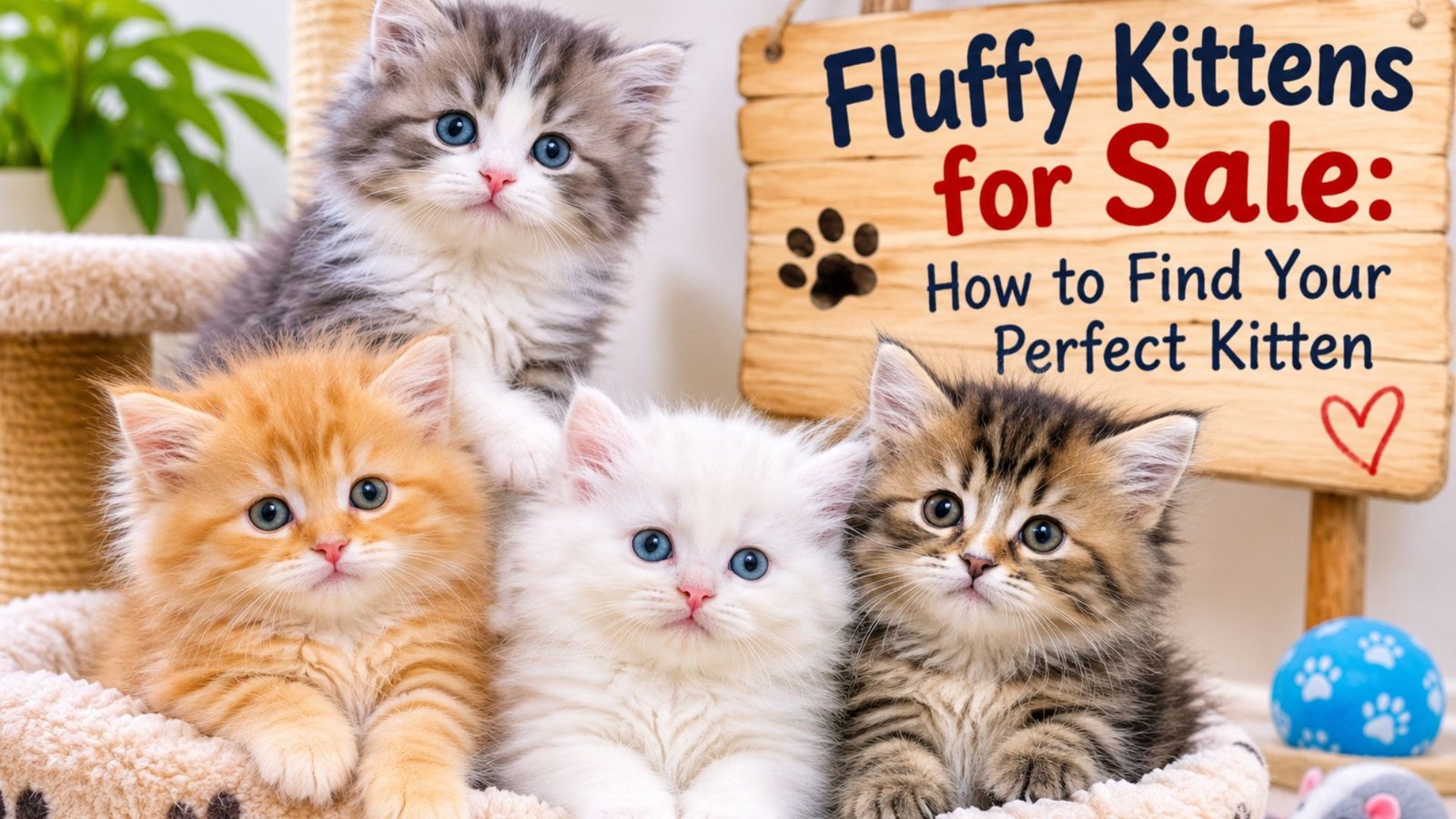
Looking for fluffy kittens for sale? A soft, fluffy kitten can make a wonderful addition to your home, whether you love long-haired cats, playful little companions, or gentle lap cats.
However, choosing a kitten involves more than finding the cutest face or the fluffiest coat. You also need to consider its health, personality, grooming needs, and the care it will require throughout its life.
This guide explains where to find fluffy kittens, which breeds to consider, how to choose a healthy kitten, and what to know before bringing your new companion home.
What Are Fluffy Kittens?
Fluffy kittens are young cats with soft, thick, or long coats that give them a particularly cuddly appearance. Some have long, flowing fur, while others have dense coats that feel plush and full.
Fluffy kittens can come from many different breeds, including Ragdolls, Persian cats, Maine Coons, and domestic long-haired cats.
Their coat colors and patterns vary widely. You might find white, cream, gray, black, orange, or multicolored kittens.
A kitten’s coat may also change as it grows. Some kittens develop longer or thicker fur as they mature, so their appearance at a few weeks old may not show exactly what their adult coat will look like.
Important: Fluffy fur does not automatically mean a kitten is a particular breed. A domestic long-haired kitten can be just as beautiful and affectionate as a pedigree cat.
ALSO READ:Tortoiseshell Siamese: Colors, Personality and Care
Best Places to Find Fluffy Kittens for Sale
If you are searching for fluffy kittens for sale in the USA or UK, there are several ways to find a suitable companion.
The right choice depends on whether you want a specific breed, prefer to adopt, or are simply looking for a healthy kitten with a lovely personality.
Reputable Cat Breeders
A responsible breeder can be a good option if you have your heart set on a particular breed, such as a Ragdoll or Persian.
Look for breeders who:
- Keep their cats in clean, comfortable environments.
- Allow you to meet the kitten and its mother.
- Provide veterinary records and information about the kitten’s background.
- Answer questions honestly and welcome visits.
- Give kittens enough time with their mother and littermates.
A reputable breeder should care about where their kittens are going. They should also ask about your home, experience with cats, and ability to provide long-term care.
In the UK, organizations such as the Governing Council of the Cat Fancy can help you research pedigree breeders.
Cat Rescue Centers and Shelters
Adoption is another excellent way to find a fluffy kitten.
Many rescue centers have domestic long-haired kittens, mixed-breed cats, and occasionally pedigree kittens looking for homes.
In the USA, you can check local animal shelters and established cat rescue organizations. In the UK, Cats Protection and other reputable rehoming organizations can help you find a suitable companion.
Adoption may also include useful support, such as veterinary checks, vaccinations, and advice about settling your kitten into its new home.
If you are open to adopting an adult cat, you may find a fluffy companion whose personality is already well established.
Trusted Local Listings
Online advertisements can help you discover available kittens, but you should treat them as a starting point rather than proof that a seller is trustworthy.
Before making a payment, arrange to meet the kitten in person and see where it has been raised. Ask for veterinary records and confirm the seller’s identity.
Avoid sellers who refuse visits, offer to deliver a kitten without proper checks, or pressure you to pay immediately.
Cats Protection and the UK government both recommend careful checks when buying kittens, particularly when dealing with online advertisements.
Popular Fluffy Cat Breeds to Consider
Different fluffy cat breeds have different personalities, grooming requirements, and health considerations. The best kitten is one whose needs fit your lifestyle.
Ragdoll
Ragdolls have soft, semi-long coats and often enjoy human companionship. They are generally known for their relaxed, affectionate nature.
Best for: People who want a sociable indoor companion.
Persian
Persian kittens have long, luxurious coats and a distinctive appearance. Their fur needs regular grooming, and flat-faced Persians may have additional health needs.
Best for: Owners prepared for frequent coat care.
Maine Coon
Maine Coons have thick, shaggy coats, tufted ears, and large paws. They are generally friendly and playful, and they grow into large adult cats.
Best for: Families with space for an active, larger cat.
British Longhair
These cats have dense, plush coats and rounded features. They are often calm and independent, although individual personalities vary.
Best for: Homes that appreciate a quieter companion.
You do not need to choose a pedigree breed to enjoy a fluffy kitten. Domestic long-haired cats can have beautiful coats, affectionate personalities, and fewer breed-specific health concerns.
How to Choose a Healthy Fluffy Kitten
A kitten’s appearance is only one part of choosing a new pet. Its health, early experiences, and living conditions are equally important.
Check Its Eyes, Nose, and Coat
A healthy kitten should generally appear alert, curious, and comfortable around people.
Look for:
- Clear eyes without unusual discharge.
- A clean nose without persistent discharge.
- Clean ears without obvious irritation.
- A coat without excessive dirt, bald patches, or visible parasites.
- Comfortable movement and normal breathing.
A kitten may be shy when meeting someone new, so do not expect every healthy kitten to approach you immediately.
However, a kitten that appears weak, unusually sleepy, or visibly unwell should be assessed by a veterinarian before you commit to bringing it home.
Observe Its Behavior
Spend some time watching the kitten interact with its surroundings.
Does it explore, play, or show interest in people? Does it seem comfortable around its littermates?
A kitten that is cautious at first may become more confident after settling in. What matters is whether it appears healthy and has been given appropriate opportunities to interact with people and other cats.
Avoid choosing a kitten based entirely on how quickly it approaches you. A gentle, reserved kitten can make an excellent companion.
Meet the Kitten’s Mother
If possible, meet the kitten’s mother in the place where the kitten was raised.
This gives you a better idea of the kitten’s early environment and allows you to observe the mother’s general health and behavior.
Ask the breeder or seller about:
- The kitten’s birth date.
- The mother’s health and vaccination history.
- The kitten’s veterinary examinations.
- Any known inherited health conditions.
- The kitten’s early socialization.
A seller who is unwilling to answer reasonable questions or show you the kitten’s living environment is a reason to be cautious.
Check Veterinary Records
Before taking your kitten home, ask for its veterinary records.
Depending on its age and location, these may include details of health examinations, vaccinations, parasite treatments, and microchipping.
Ask your veterinarian what care is still needed and when the kitten should receive its next vaccinations or other treatments.
How Old Should a Fluffy Kitten Be Before Coming Home?
Age is an important part of choosing a kitten.
Kittens learn essential behaviors from their mother and littermates, including how to interact with other cats and how to respond to their environment.
A kitten that leaves too early may miss important opportunities for development.
In the UK, kittens should generally stay with their mother until at least eight weeks old, and many welfare organizations recommend waiting until around eight to nine weeks or longer when appropriate.
The exact requirements can vary by location, so check local laws and veterinary guidance before arranging a purchase.
Do not choose a younger kitten simply because it is available sooner.
A responsible breeder or rescue organization should be able to explain why the kitten is ready for its new home.
How Much Do Fluffy Kittens Cost?
The price of a fluffy kitten depends on several factors, including its breed, location, age, breeder, and veterinary care.
Pedigree kittens may cost considerably more than domestic long-haired kittens. Adoption fees are often lower than purchasing a pedigree kitten, although they vary between organizations.
There is no single price that applies to every fluffy kitten in the USA or UK.
Before making a decision, compare the total cost of ownership rather than looking only at the purchase price.
Consider these expenses:
| Expense | What to consider |
| Initial cost | Purchase price or adoption fee |
| Veterinary care | Examinations, vaccinations, and parasite treatment |
| Food | Age-appropriate kitten food |
| Grooming | Brushes, combs, and professional grooming if needed |
| Supplies | Litter tray, carrier, bedding, and toys |
| Ongoing care | Routine checkups and unexpected veterinary bills |
If a seller offers a pedigree kitten at an unusually low price, investigate carefully. A low price does not prove that a seller is dishonest, but it should not replace proper checks.
Questions to Ask Before Buying a Fluffy Kitten
Before agreeing to purchase a kitten, prepare a few questions for the breeder or seller.
How old is the kitten?
Ask for the exact birth date and confirm that the kitten is old enough to leave its mother.
Can I meet the kitten in person?
A responsible seller should be willing to arrange a suitable visit and show you the kitten’s usual living environment.
Has the kitten been examined by a veterinarian?
Ask for any available records and details of health concerns or treatments.
What food is the kitten currently eating?
Keeping the same food initially can make the transition to your home easier.
What is the kitten’s personality like?
Ask whether the kitten is playful, shy, independent, or particularly interested in human attention.
Are there any known health conditions in the family?
This is especially important when buying a pedigree kitten with a breed that may be prone to inherited health problems.
A trustworthy seller should be comfortable discussing these questions and giving you time to make your decision.
Red Flags to Watch for When Buying a Kitten
Unfortunately, not every kitten advertisement comes from a responsible seller. Some sellers may misrepresent a kitten’s age, breed, health, or background.
Be especially cautious if you notice any of the following:
- The seller refuses to let you see the kitten in its home environment.
- They will not allow you to meet the kitten’s mother when she is available.
- They pressure you to pay a deposit immediately.
- They offer to send the kitten without a proper meeting or health checks.
- They cannot provide basic information about the kitten’s age or health.
- They advertise many different breeds or litters without explaining how they care for them.
Online photographs and videos can be misleading. Always verify the kitten’s identity and living conditions before making a purchase.
If something does not feel right, walk away. There will be other opportunities to find a suitable companion.
How to Prepare Your Home for a Fluffy Kitten
Before bringing your kitten home, prepare a comfortable and safe space where it can settle in gradually.
Create a Quiet Sleeping Area
Choose a quiet room or corner with a comfortable bed, fresh water, and a litter tray.
A new environment can feel overwhelming to a kitten. Giving it a quiet space allows it to explore at its own pace.
Choose the Right Food
Ask what food the kitten has been eating and continue with it initially.
Choose a complete kitten food that meets its nutritional needs. If you want to change its diet, do so gradually and ask your veterinarian for advice if you are unsure.
Fresh water should always be available.
Provide a Suitable Litter Tray
Choose a litter tray that is easy for your kitten to enter.
Keep it clean and place it somewhere quiet and accessible. If you have more than one cat, provide enough litter trays for all of them.
Make Your Home Safe
Kittens are curious and may explore places you do not expect.
Secure windows, remove dangerous small objects, and keep cleaning products and medicines out of reach.
Some common houseplants are also toxic to cats, so check whether your plants are safe before bringing your kitten home.
How to Care for a Fluffy Kitten
Fluffy kittens need the same basic care as other kittens, with additional attention to their coats.
Grooming and Brushing
Long-haired kittens may need regular brushing to prevent tangles and mats.
Start gently and make grooming a positive experience. Short sessions with praise or a small treat can help your kitten become comfortable with being handled.
Use a brush or comb suitable for its coat type.
If you notice a tight mat close to the skin, ask a professional groomer or veterinarian for help. Never cut a mat out with scissors, as a kitten’s skin can be easily injured.
Feeding and Hydration
Growing kittens need food that supports healthy development.
Follow the feeding instructions on the food packaging and adjust portions according to your kitten’s age, body condition, and veterinary advice.
Avoid feeding large amounts of treats or human food, as these may interfere with a balanced diet.
Veterinary Care
Arrange a veterinary appointment soon after bringing your kitten home.
Your veterinarian can check its general health, discuss vaccination and parasite prevention, and advise you about microchipping and neutering.
Regular veterinary care is especially important if you have concerns about inherited conditions or unusual symptoms.
Play and Socialization
Kittens need opportunities to play, explore, and interact with people.
Provide safe toys, scratching surfaces, and short play sessions throughout the day.
Never use your hands as toys, as this can encourage biting and scratching during play.
Gentle handling and positive experiences can help your kitten grow into a confident adult cat.
Are Fluffy Kittens Suitable for Families?
Many fluffy kittens can make wonderful family companions, but the right choice depends on the kitten’s personality and the household.
Some kittens enjoy being around children, while others prefer quieter environments.
If you have young children, teach them to handle the kitten gently and allow it to rest when it wants to.
Children should never pull a kitten’s tail, ears, or fur, or chase it when it tries to move away.
Families should also consider the time and expense involved in caring for a kitten. A kitten needs daily attention, regular grooming if it has a long coat, and veterinary care throughout its life.
If everyone in the household is prepared for these responsibilities, a fluffy kitten can become a much-loved member of the family.
Conclusion
Finding fluffy kittens for sale can be an exciting experience, but choosing the right kitten requires patience and careful research.
Whether you decide to buy from a responsible breeder or adopt from a rescue center, prioritize the kitten’s health, early experiences, and individual personality.
Meet the kitten in person, ask about its veterinary care, and make sure you are prepared for the responsibilities of raising a cat.
A beautiful coat may catch your attention, but a healthy, well-cared-for kitten is what makes a wonderful lifelong companion.
ALSO READ:Why Is My Cat Acting Weird? Causes and What to Do
FAQs
Where can I find fluffy kittens for sale near me?
Check reputable local breeders, animal shelters, and cat rescue organizations. Always meet the kitten and verify its health and living conditions before making a decision.
What is the fluffiest kitten breed?
Persians, Ragdolls, Maine Coons, and British Longhairs are known for their thick or long coats. Individual coat length and texture can vary.
Are fluffy kittens more expensive than other kittens?
Not always. Pedigree kittens may cost more, but domestic long-haired kittens can be more affordable. Prices depend on the seller, location, and breed.
How old should a kitten be before leaving its mother?
Kittens should generally stay with their mother until at least eight weeks old. Some may benefit from staying longer, depending on their development and welfare needs.
Do fluffy kittens need daily grooming?
Long-haired kittens often benefit from frequent, gentle brushing to prevent tangles and mats. The exact grooming routine depends on their coat type.
Meta description: Find fluffy kittens for sale, compare popular breeds, and learn how to choose a healthy kitten and prepare your home.
Related Post

Why Is My Cat Acting Weird? Causes and What to Do
If your cat is suddenly hiding, meowing more than usual, acting clingy, or behaving in [...]
Cat Groomers in My Area: How to Find the Best Local Groomer
Finding reliable Cat Groomers in My Area can make a big difference to your cat’s [...]