
Normal Blood Pressure in a Cat: Healthy Ranges, Warning Signs, and How to Check It
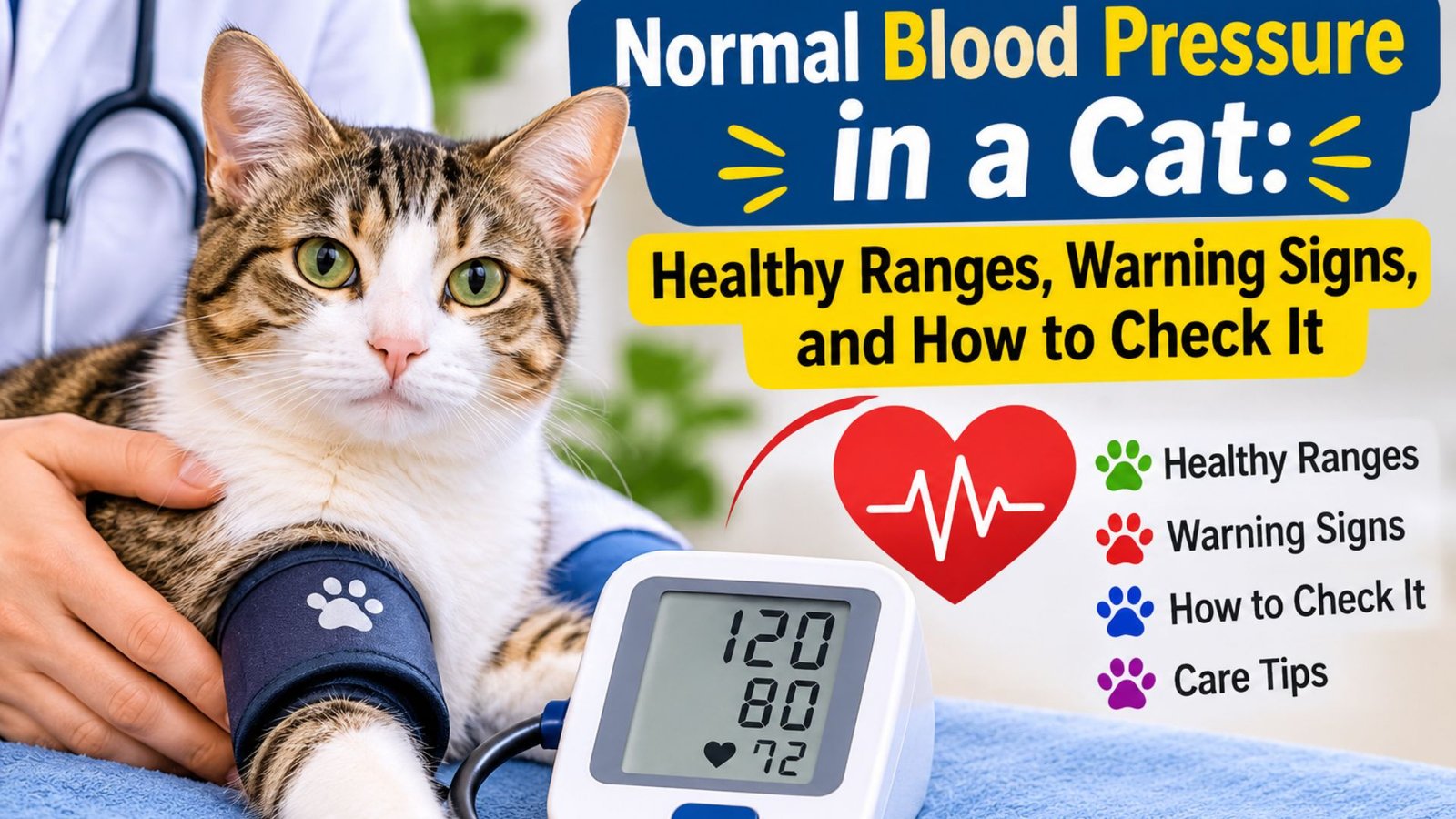
Understanding normal blood pressure in a cat is an important part of protecting your pet’s long-term health. Although blood pressure is something many people associate with human health, cats can also develop blood pressure problems that affect their kidneys, eyes, heart, and brain.
A cat may have high blood pressure without showing obvious symptoms during the early stages. Unfortunately, when the condition remains untreated, it can cause serious complications, including sudden vision loss, retinal damage, neurological problems, and worsening kidney function.
Blood pressure problems are particularly important in older cats and those living with certain medical conditions. Chronic kidney disease and hyperthyroidism are two common conditions associated with feline hypertension.
The good news is that veterinary blood pressure checks are generally quick, non-invasive, and helpful for identifying problems before they become more serious.
In this guide, we will explain the normal blood pressure in a cat, what different readings mean, how veterinarians measure blood pressure, warning signs of hypertension, and the treatments available to help cats maintain a healthy cardiovascular system.
What Is Blood Pressure in Cats?
Blood pressure is the force that circulating blood places against the walls of the arteries as the heart pumps blood around the body.
Cats need adequate blood pressure to deliver oxygen and essential nutrients to their organs and tissues. Their kidneys, eyes, brain, and heart all depend on healthy blood circulation.
A blood pressure reading generally includes two measurements:
Systolic Blood Pressure (SBP)
Systolic pressure is the pressure inside the arteries when the heart contracts and pushes blood throughout the body.
It is particularly important when evaluating high blood pressure in cats. Veterinarians generally use systolic blood pressure as the main measurement for diagnosing feline hypertension.
Diastolic Blood Pressure (DBP)
Diastolic pressure is the pressure inside the arteries when the heart relaxes between contractions.
It reflects the pressure remaining in the arteries while the heart refills with blood.
Mean Arterial Pressure (MAP)
Mean arterial pressure represents the average pressure that drives blood through the body’s organs during a complete heartbeat.
It is useful for understanding overall tissue perfusion, particularly in critically ill or anesthetized animals.
However, there is an important distinction: routine non-invasive blood pressure equipment used in conscious cats does not reliably measure every pressure value. Doppler equipment primarily measures systolic pressure, while many veterinary guidelines emphasize interpreting systolic readings rather than relying on automatically calculated diastolic or mean values.
What Is the Normal Blood Pressure in a Cat?
The normal blood pressure in a cat is generally considered a systolic reading below 140 mmHg when measured using appropriate veterinary techniques.
However, blood pressure is not identical in every cat. A healthy reading can vary with individual characteristics, measurement equipment, stress, and the environment.
Veterinarians pay particular attention to systolic blood pressure because consistently elevated readings can indicate an increased risk of organ damage.
The following ranges are commonly used in veterinary medicine to classify blood pressure and the associated risk of target-organ damage.
Cat Blood Pressure Chart
The following chart uses the American College of Veterinary Internal Medicine (ACVIM) risk categories for systemic hypertension.
| Systolic Blood Pressure | Category | Risk of Organ Damage |
| Below 140 mmHg | Normotensive | Minimal risk |
| 140–159 mmHg | Prehypertensive | Low risk |
| 160–179 mmHg | Hypertensive | Moderate risk |
| 180 mmHg or higher | Severely hypertensive | High risk |
These categories help veterinarians understand the potential health risks associated with elevated blood pressure.
Below 140 mmHg: Normal range
A systolic reading below 140 mmHg generally indicates minimal risk of hypertension-related organ damage.
140–159 mmHg: Prehypertensive range
This range deserves attention, particularly when a cat has kidney disease, hyperthyroidism, or other risk factors. The veterinarian may recommend additional measurements and monitoring.
160–179 mmHg: Hypertensive range
Repeated readings within this range suggest clinically important hypertension and an increased risk of damage to sensitive organs.
180 mmHg or higher: Severe hypertension
This level is associated with a high risk of target-organ damage. Prompt veterinary assessment is important, especially if the cat has eye abnormalities, neurological symptoms, or other concerning signs.
One elevated reading does not always confirm hypertension. Stress during a veterinary appointment can temporarily increase blood pressure, so veterinarians consider repeated measurements, examination findings, and the cat’s medical history before making a diagnosis.
What Are Healthy Diastolic and Mean Arterial Pressure Values?
Cat owners sometimes expect a single standard blood pressure number containing both systolic and diastolic values, similar to human blood pressure charts.
However, feline blood pressure assessment is more complicated.
Studies involving direct arterial measurements in healthy conscious cats have reported approximate average values such as:
- Systolic pressure: 117–132 mmHg.
- Diastolic pressure: 78–96 mmHg.
- Mean arterial pressure: 94–115 mmHg.
These figures come from different research groups and measurement conditions. They are examples of reported averages, not universal diagnostic reference intervals.
Most routine veterinary assessments use indirect equipment, which is much more useful for estimating systolic pressure than reliably determining diastolic pressure or MAP.
For this reason, cat owners should not compare their pet’s automatically displayed diastolic or mean pressure with human blood pressure charts.
Does Normal Blood Pressure Change With Age?
Age can influence blood pressure in cats, although the relationship is not completely straightforward.
Younger cats without underlying medical problems generally have a lower risk of developing systemic hypertension.
As cats grow older, their chances of developing conditions associated with high blood pressure increase. These include chronic kidney disease and hyperthyroidism.
However, being older does not automatically mean that a cat should have high blood pressure.
Some senior cats maintain healthy readings, while younger cats can develop hypertension because of underlying medical conditions.
Other factors that can influence a reading include:
- Anxiety during veterinary visits.
- Physical activity immediately before testing.
- Pain or discomfort.
- Underlying kidney or thyroid disease.
- Medication use.
- Differences in measurement equipment.
- The position of the cuff and the limb being tested.
A veterinarian should interpret the reading according to the individual cat rather than assuming that a particular age automatically determines a healthy blood pressure range.
Signs of High Blood Pressure in Cats
One of the biggest challenges with feline hypertension is that many cats do not show recognizable symptoms during the early stages.
Some cats appear completely normal even when their blood pressure is elevated.
As the condition progresses, damage to different organs may produce noticeable warning signs.
Sudden Vision Problems
Eye damage is one of the most important complications of severe feline hypertension.
High pressure can damage delicate blood vessels inside the eyes, potentially causing bleeding, retinal detachment, and permanent vision loss.
A cat experiencing vision problems may:
- Walk into furniture or walls.
- Hesitate before jumping.
- Become unusually cautious when moving around.
- Have difficulty finding food or water.
- Appear frightened in familiar surroundings.
Sudden changes in vision require urgent veterinary attention.
Dilated Pupils
A cat with hypertension-related eye damage may develop unusually large pupils.
The pupils may remain enlarged even in bright surroundings. Sometimes both eyes are affected, although the severity can differ.
Dilated pupils are not exclusive to hypertension, so a veterinarian must examine the eyes to determine the underlying cause.
Disorientation and Confusion
High blood pressure can affect blood vessels supplying the brain.
Some affected cats may appear confused, behave unusually, or have difficulty recognizing familiar surroundings.
Owners might notice changes in walking patterns, responsiveness, or normal daily behavior.
Seizures
Severe hypertension can damage the nervous system and contribute to seizures.
A seizure may involve uncontrolled movements, muscle stiffness, loss of awareness, or unusual body movements.
A first seizure should always be treated as a medical emergency.
Changes in Activity
Some cats with hypertension become less active or appear unusually tired.
They may sleep more, avoid playing, or show less interest in normal activities.
These changes are nonspecific and can also occur with kidney disease, thyroid problems, heart conditions, and many other illnesses.
Changes in Appetite and Drinking Habits
Cats with underlying medical conditions may experience increased thirst, frequent urination, reduced appetite, or weight loss.
These signs are especially important when kidney disease or hyperthyroidism is involved.
They do not independently confirm high blood pressure, but they should be discussed with a veterinarian.
What Causes High Blood Pressure in Cats?
Feline hypertension refers to persistently elevated systemic blood pressure.
It can develop because of an underlying medical condition or, less commonly, without an identifiable underlying cause.
Understanding the cause is important because treating the blood pressure alone may not address the complete health problem.
Chronic Kidney Disease
Chronic kidney disease (CKD) is one of the most important conditions associated with feline hypertension.
The kidneys help regulate fluid balance and blood pressure through several biological processes.
When kidney function declines, these regulatory systems can become disrupted.
High blood pressure may also contribute to further kidney damage, creating a complicated relationship between the two conditions.
Cats with chronic kidney disease should have their blood pressure monitored as recommended by their veterinarian.
Hyperthyroidism
Hyperthyroidism occurs when the thyroid gland produces excessive thyroid hormones.
It is particularly common in older cats.
Excess thyroid hormones increase metabolic activity and can affect heart rate, circulation, and blood pressure.
Some cats with hyperthyroidism develop hypertension, while others maintain normal readings.
Treating the thyroid condition and monitoring blood pressure are important parts of managing affected cats.
Age-Related Health Changes
Older cats have a greater likelihood of developing diseases that contribute to hypertension.
Age itself is not a diagnosis, but senior cats may need more frequent health assessments depending on their medical history.
Primary Hypertension
Primary hypertension means that a veterinarian cannot identify a specific underlying condition responsible for the elevated blood pressure.
It is less commonly recognized in cats than secondary hypertension.
Even when no underlying disease is identified, persistent high blood pressure still requires appropriate veterinary management.
Other Medical Conditions
Less common conditions may also contribute to hypertension.
These include:
- Hyperaldosteronism.
- Hyperadrenocorticism.
- Pheochromocytoma.
- Certain endocrine disorders.
A veterinarian may recommend additional testing if the cat’s medical history or examination suggests one of these conditions.
How Do Veterinarians Check Blood Pressure in Cats?
Veterinarians use specialized equipment to measure a cat’s blood pressure without usually needing to insert anything into an artery.
The process is generally painless, although some cats may become nervous during the examination.
Two common methods are Doppler blood pressure measurement and oscillometric measurement.
Doppler Blood Pressure Measurement
Doppler equipment uses ultrasound technology to detect blood flow through an artery.
A small cuff is placed around an appropriate body part, such as a front leg, hind leg, or tail.
The veterinarian or trained veterinary professional temporarily inflates the cuff to restrict blood flow.
As the cuff pressure decreases, the Doppler device detects the return of blood flow.
The pressure recorded when blood flow returns provides an estimate of systolic blood pressure.
Doppler measurement is widely used in feline medicine because it is useful for obtaining systolic readings in conscious cats.
Oscillometric Blood Pressure Measurement
Oscillometric equipment automatically detects pressure changes within an inflated cuff.
The machine measures pressure oscillations associated with blood flow and calculates blood pressure values.
Depending on the device, it may display systolic, diastolic, and mean arterial pressure.
However, the accuracy of these measurements can vary, particularly in conscious cats.
Veterinarians consider the equipment used and the reliability of the readings when interpreting the results.
Why Are Multiple Measurements Important?
A single reading may not accurately represent a cat’s usual blood pressure.
Movement, anxiety, poor cuff positioning, and environmental stress can affect the result.
Veterinary professionals commonly:
- Allow the cat to settle before testing.
- Select an appropriately sized cuff.
- Use a consistent measurement location.
- Take several readings.
- Disregard an unreliable initial measurement when appropriate.
- Calculate an average from consistent readings.
If the results remain elevated, another examination may be recommended to confirm hypertension.
How to Prepare Your Cat for a Blood Pressure Test
Preparing your cat properly can make the appointment less stressful and help improve the reliability of the measurement.
Here are some practical suggestions.
Keep Your Cat Comfortable
Use a secure, familiar carrier for transportation.
Placing a familiar blanket or towel inside the carrier may help your cat feel more comfortable.
Avoid unnecessary handling or stressful activities immediately before the appointment.
Allow Enough Time for the Appointment
Try not to rush your cat into the examination room.
Veterinarians often allow approximately 5–10 minutes or longer for a cat to become comfortable in a quiet environment before measuring blood pressure.
Bring Medical Records
If your cat has kidney disease, hyperthyroidism, heart problems, or another ongoing condition, bring relevant medical records.
Tell the veterinarian about any medications or supplements your cat receives.
Avoid Unnecessary Stress
Whenever possible, keep the examination environment quiet.
The veterinary team may allow your cat to remain in the bottom half of its carrier or choose a comfortable position during testing.
Follow Veterinary Instructions
Do not stop prescribed medications or change your cat’s feeding schedule before an appointment unless the veterinarian specifically recommends it.
Preparation instructions may differ depending on the reason for testing and your cat’s medical condition.
Can Low Blood Pressure Be Dangerous in Cats?
Yes. Low blood pressure, medically known as hypotension, can be dangerous because it may prevent important organs from receiving enough blood.
Unlike high blood pressure, which can gradually damage blood vessels and organs, severe hypotension can become an immediate medical problem.
Possible causes include:
- Severe dehydration.
- Significant blood loss.
- Shock.
- Severe infection.
- Heart-related problems.
- Complications during anesthesia.
- Certain medications.
Possible warning signs include weakness, collapse, pale gums, reduced responsiveness, and cold extremities.
These symptoms can have several causes and should not be used to diagnose hypotension at home.
Veterinarians interpret blood pressure alongside the cat’s heart rate, circulation, hydration, and overall clinical condition.
A systolic reading below 120 mmHg combined with signs such as weakness, fainting, or an abnormally fast heart rate may indicate clinically important hypotension.
A low reading without other clinical findings does not automatically establish a diagnosis.
If your cat collapses, becomes extremely weak, or appears severely unwell, seek emergency veterinary care.
How Is High Blood Pressure in Cats Treated?
Treatment depends on the severity of hypertension, the presence of organ damage, and any underlying medical conditions.
The main goal is to reduce blood pressure safely and protect organs from further damage.
Amlodipine Medication
Amlodipine is commonly used as a first-line medication for feline hypertension.
It belongs to a group of medicines called calcium channel blockers.
It works by relaxing blood vessel walls, allowing blood to flow more easily and reducing pressure within the arteries.
Veterinarians determine the appropriate dose according to the cat’s individual needs.
Never give human blood pressure medication to your cat without veterinary instructions.
Treating Underlying Diseases
If hypertension is associated with chronic kidney disease or hyperthyroidism, managing the underlying condition is also important.
Treatment may involve dietary adjustments, specific medications, or additional medical procedures depending on the diagnosis.
Some cats need long-term blood pressure medication even when their underlying condition is being treated.
Regular Blood Pressure Monitoring
Treatment does not end when the first medication is prescribed.
Veterinarians arrange follow-up examinations to determine whether the blood pressure is responding appropriately.
They may adjust medication depending on the results and the cat’s overall condition.
Regular monitoring also helps identify excessively low blood pressure caused by treatment.
Additional Medication When Needed
Some cats may require additional medication, particularly when kidney disease and proteinuria are present.
Depending on the case, a veterinarian may consider medications such as telmisartan or benazepril.
The choice depends on the underlying condition, laboratory findings, and response to treatment.
How to Support Healthy Blood Pressure in Cats
Although not every case of hypertension can be prevented, responsible everyday care can support your cat’s overall health.
Schedule Regular Veterinary Examinations
Routine examinations can help identify medical problems before they become severe.
Senior cats and cats with chronic kidney disease or hyperthyroidism may need more frequent blood pressure assessments.
Ask your veterinarian how often your cat should be checked.
Provide Balanced Nutrition
Feed your cat a complete and balanced diet appropriate for its age and health requirements.
Cats with kidney disease may need a specially formulated veterinary diet.
Avoid making major dietary changes without professional advice.
Encourage Proper Hydration
Fresh drinking water should always be available.
Some cats drink more readily from water fountains, while others prefer separate bowls placed around the home.
Adequate hydration supports normal body functions, although increasing water intake alone cannot treat hypertension.
Monitor Weight and Activity
Maintain a healthy body condition through appropriate nutrition and regular play.
Interactive toys, climbing structures, and short play sessions can help keep indoor cats physically active.
Watch for Changes in Behavior
Pay attention to unusual drinking habits, appetite changes, weight loss, vision problems, or changes in activity.
Keeping a simple record of these observations can help your veterinarian identify developing health problems.
Avoid High-Sodium Foods
Do not routinely feed cats salty human snacks or heavily processed foods.
However, strict sodium restriction is not a universal treatment for feline hypertension.
Any special diet should be selected according to your cat’s medical needs and veterinary recommendations.
When Should You Take Your Cat to the Vet?
You should arrange a veterinary appointment if your cat develops unusual symptoms or has a medical condition associated with hypertension.
Some situations require more immediate attention.
Seek urgent veterinary care if your cat experiences:
- Sudden blindness or major vision changes.
- Unusually dilated pupils accompanied by vision problems.
- Seizures.
- Sudden disorientation or severe balance problems.
- Collapse or extreme weakness.
- Difficulty breathing.
- Severe changes in responsiveness.
These symptoms may indicate serious medical problems, including hypertension-related organ damage, but other emergencies can produce similar signs.
Cats with chronic kidney disease or hyperthyroidism should also receive blood pressure monitoring according to their veterinarian’s recommendations, even when they appear healthy.
Early detection is important because some complications, particularly retinal damage and blindness, may not be reversible.
Conclusion
Understanding normal blood pressure in a cat helps owners recognize an important part of feline health that is often overlooked.
A systolic reading below 140 mmHg generally indicates minimal risk of hypertension-related organ damage, while readings of 160 mmHg or higher deserve closer veterinary attention. Severe hypertension, particularly readings of 180 mmHg or above, carries a significant risk of damage to the eyes, kidneys, brain, and heart.
However, one measurement cannot always provide a complete picture. Stress, equipment, underlying diseases, and repeated readings all influence how veterinarians interpret blood pressure.
Regular examinations, appropriate nutrition, adequate hydration, and early treatment of medical conditions can help protect your cat’s health.
If you notice sudden vision changes, seizures, collapse, or unusual behavior, contact a veterinarian promptly rather than waiting for symptoms to improve.
Most importantly, remember that feline hypertension is often manageable when identified early and monitored properly. Working with your veterinarian is the best way to help your cat maintain healthy blood pressure and enjoy a better quality of life.
ALSO READ:Lotus Tree Cat Tower: Features, Benefits, Design, and How to Choose the Right One for Your Cat
FAQs
What is the normal blood pressure in a cat?
A systolic blood pressure below 140 mmHg is generally considered to carry minimal risk of hypertension-related organ damage. Veterinarians interpret readings alongside the cat’s health and examination findings.
What blood pressure is considered high in cats?
A systolic reading of 160–179 mmHg is classified as hypertensive, while 180 mmHg or higher indicates severe hypertension and a high risk of organ damage.
Can stress increase a cat’s blood pressure?
Yes. Anxiety during transportation or veterinary examinations can temporarily increase blood pressure. This is sometimes called white coat hypertension, which is why multiple measurements in a calm environment are important.
What are the symptoms of high blood pressure in cats?
Possible symptoms include dilated pupils, vision loss, disorientation, seizures, unusual behavior, and changes in activity. Some cats show no noticeable symptoms during the early stages.
How often should a cat’s blood pressure be checked?
The frequency depends on age, medical history, and existing health conditions. Cats with chronic kidney disease, hyperthyroidism, or diagnosed hypertension may need regular checks, as recommended by their veterinarian.
Related Post
How Can You Tell That a Cat Is Pregnant? 10 Signs to Watch For
If you are wondering how can you tell that a cat is pregnant, there are [...]
Why Does My Cat’s Back Twitch? Causes and What to Do
Have you ever noticed your cat’s back suddenly twitching, rippling, or moving under the skin? [...]