
Gloves for Cat Handling: Types, Safety Features, Benefits, and How to Choose the Right Pair
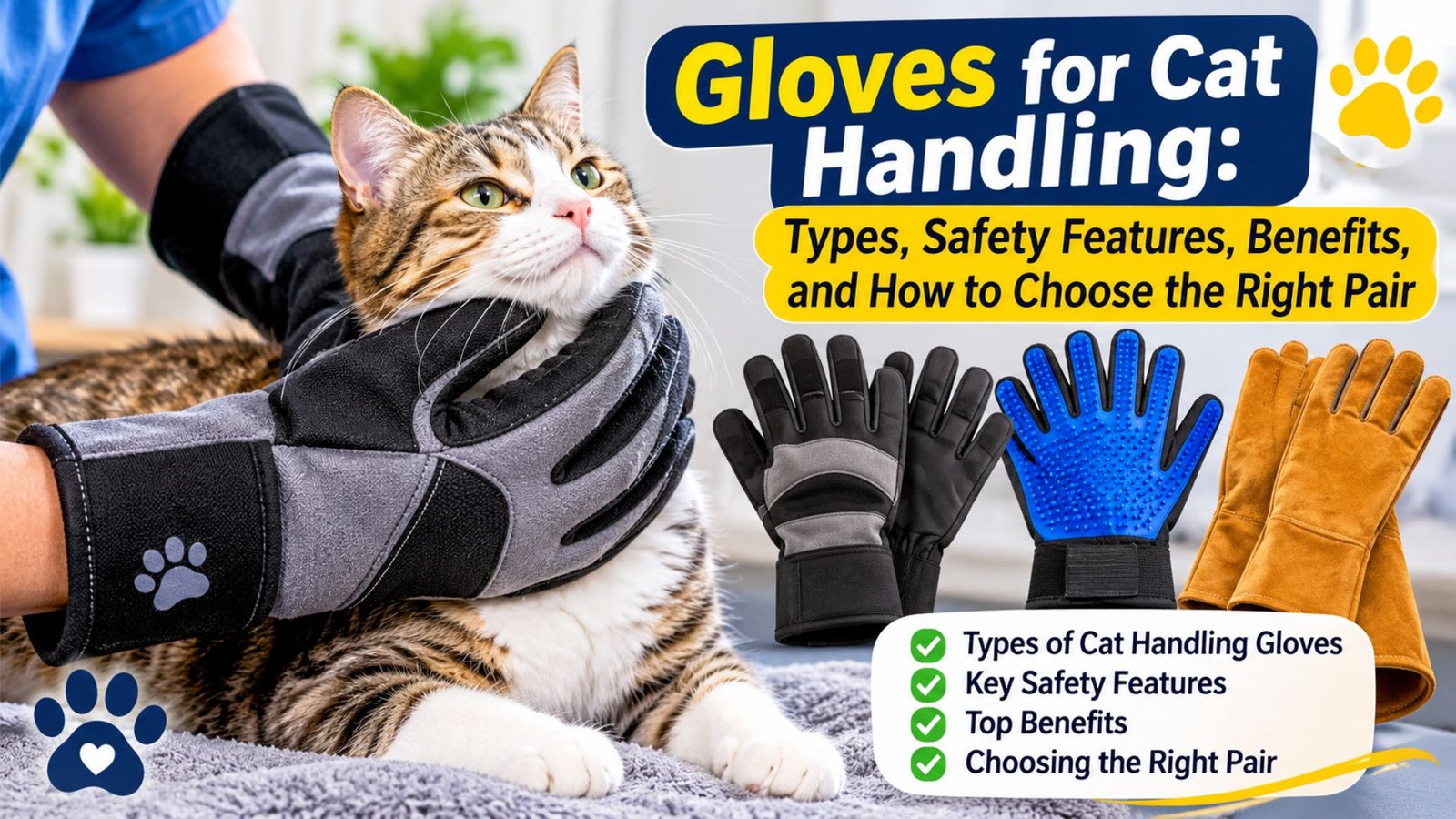
Handling a frightened, nervous, or defensive cat can be challenging, especially when the animal is unfamiliar with people or feels threatened. Cats may scratch, bite, or struggle when they become frightened, making certain handling situations uncomfortable and potentially unsafe. This is why gloves for cat handling are useful protective equipment for cat owners, animal shelter workers, rescue volunteers, veterinary assistants, and professional animal handlers.
Cat handling gloves are specially designed protective gloves that help reduce the risk of scratches and bites during certain interactions with cats. They are available in different materials, lengths, thicknesses, and designs, depending on the level of protection and flexibility required.
However, wearing protective gloves does not automatically make every cat safe to handle. Even heavy-duty gloves cannot guarantee complete protection against bites or scratches. Proper handling techniques, patience, and an understanding of feline body language remain essential.
In this guide, we will explore the different types of cat handling gloves, their benefits and limitations, important safety features, and how to choose the right pair for different situations.
What Are Gloves for Cat Handling?
Gloves for cat handling are protective hand coverings designed to help reduce injuries when handling cats that may scratch, bite, or react defensively.
Unlike ordinary household gloves, specialized cat handling gloves often include reinforced materials, extended cuffs, durable stitching, and protective layers around the fingers and hands.
Some designs provide additional coverage for the wrists and lower arms, which can be particularly useful when working with frightened or defensive animals.
- Cat owners handling nervous or uncooperative pets.
- Animal shelter employees caring for unfamiliar cats.
- Rescue volunteers assisting stray or abandoned animals.
- Veterinary assistants helping with certain examination procedures.
- Professional cat handlers working with difficult-to-handle animals.
The main purpose is to provide an additional protective barrier while allowing the handler to perform necessary tasks.
It is important to understand that ordinary protective gloves and specialized veterinary handling equipment are not the same. Veterinary environments may require specific equipment and handling protocols based on the animal’s behaviour and medical needs.
ALSO READ:Fast Cat Calculator: How It Works, What It Measures, and How to Use It
When Are Cat Handling Gloves Useful?
Not every cat needs protective gloves. Many friendly, well-socialized cats can be handled comfortably using normal gentle techniques.
However, certain situations may justify additional hand and arm protection.
Handling Frightened Cats
A frightened cat may hide, hiss, flatten its ears, or attempt to escape when someone approaches.
If the cat feels trapped, it may use its claws or teeth to defend itself. Protective gloves can provide an additional layer of protection during necessary handling, although avoiding unnecessary contact is usually the better approach.
Handling Nervous or Defensive Cats
Some cats become defensive when introduced to unfamiliar people, environments, or animals.
For example, a cat arriving at an animal shelter may be stressed by unfamiliar smells, sounds, and surroundings.
In these circumstances, appropriate protective equipment may help trained staff perform necessary tasks while reducing the risk of hand injuries.
Working With Unfamiliar Stray Cats
Stray cats may have unknown backgrounds and may not be accustomed to human contact.
A cat that appears calm can suddenly react if someone attempts to pick it up.
Protective gloves may offer additional protection during necessary handling, but they should not be treated as permission to catch or restrain an unfamiliar cat by hand.
Veterinary and Animal Shelter Work
Veterinary assistants and shelter workers sometimes need protective equipment when caring for cats that are frightened or difficult to handle.
The appropriate equipment depends on the procedure, the cat’s behaviour, and the professional’s training.
Different Types of Gloves for Cat Handling
Several types of protective gloves are available. Each has different characteristics, advantages, and limitations.
Bite-Resistant Gloves
Bite-resistant gloves are designed with protective materials that help reduce the risk of teeth penetrating the glove.
They may include reinforced layers around the fingers, palms, and backs of the hands.
These gloves are particularly relevant when working with defensive cats that may attempt to bite.
However, bite resistance is not the same as complete bite protection. A sufficiently strong bite may still penetrate the material or cause pressure injuries.
Scratch-Resistant Gloves
Scratch-resistant gloves are designed to reduce damage from claws.
They commonly use durable fabrics, reinforced stitching, or protective outer layers.
These gloves may be suitable for situations where scratching is the primary concern.
Their effectiveness depends on the material, construction, and coverage.
Leather Cat Handling Gloves
Leather gloves are popular because leather is generally durable and can provide a protective barrier against superficial scratches.
Some designs include extended cuffs that cover the wrists and lower arms.
However, not all leather gloves provide the same protection. Thin fashion leather or ordinary work gloves should not automatically be considered suitable for defensive cat handling.
Reinforced Protective Gloves
Reinforced gloves include additional protective layers in areas that are more likely to experience contact with claws or teeth.
Common reinforced areas include:
- Fingertips.
- Palms.
- Knuckles.
- Backs of the hands.
- Wrists and forearms.
They may offer more coverage than standard work gloves, although extra thickness can reduce flexibility.
Veterinary Handling Gloves
Veterinary handling gloves are designed for specific animal-care tasks.
Some provide additional arm coverage, while others prioritize flexibility, hygiene, or resistance to contamination.
Not every veterinary glove is bite-resistant. Disposable examination gloves, for example, are intended for hygiene and examination purposes rather than protection against cat bites.
Professional handlers should select equipment appropriate to the specific procedure.
Important Features to Look for When Choosing Cat Handling Gloves
Choosing suitable protective gloves involves more than selecting the thickest available option.
The right design should balance protection, comfort, flexibility, and control.
Material Quality
Material is one of the most important considerations.
Common materials include:
- Leather: Offers durability and resistance to superficial scratches.
- Reinforced synthetic fabrics: Can provide additional durability and structured protection.
- Protective composite materials: May offer improved resistance to certain types of punctures, depending on construction.
- Heavy-duty textiles: Can provide coverage and abrasion resistance.
Always check the manufacturer’s specifications instead of assuming that a material is bite-proof.
Glove Length
Glove length determines how much of the arm is protected.
Short gloves cover the hands and wrists, while longer designs may extend toward the elbows or beyond.
For situations involving unpredictable movements, additional forearm coverage may be helpful.
However, longer gloves should not be used to justify unnecessary restraint.
Thickness and Protection
Thicker gloves may offer additional resistance to scratches and certain punctures.
However, excessive thickness can make it harder to feel the cat’s movements and control your fingers.
This creates an important balance: protection should not come at the expense of safe handling.
Flexibility and Finger Movement
A suitable pair should allow reasonable finger movement.
Handlers may need to open carriers, adjust towels, operate equipment, or complete simple care tasks.
Gloves that are too stiff can make these activities difficult.
Grip and Control
A textured palm or non-slip surface can improve grip when holding equipment or adjusting a carrier.
However, gripping a cat tightly is not recommended.
The purpose of good grip is to improve control over handling tools, not to increase restraint pressure.
Comfort and Breathability
Comfort matters when gloves are worn for extended periods.
Poorly fitting gloves can cause sweating, fatigue, and reduced finger movement.
Look for appropriate sizing, comfortable lining, and materials that suit the intended working environment.
Durability and Stitching
Inspect the stitching, seams, fingertips, and reinforced areas.
Weak seams may split under pressure, reducing the protection provided by the gloves.
Check the manufacturer’s cleaning and replacement recommendations before purchasing.
How to Choose Gloves for Different Situations
The best gloves depend on the environment and the type of work being performed.
| Situation | Suitable equipment considerations |
| Home use | Comfortable, flexible protective gloves for occasional tasks |
| Animal shelters | Durable gloves with appropriate wrist and forearm coverage |
| Rescue work | Professional protective equipment alongside carriers or humane traps |
| Veterinary environments | Procedure-specific equipment selected by trained staff |
| Grooming situations | Flexible gloves only when appropriate; low-stress handling remains essential |
Gloves for Home Use
Cat owners may consider protective gloves when caring for a nervous cat that temporarily needs assistance.
Choose comfortable gloves that allow reasonable finger movement.
If your normally friendly cat suddenly becomes aggressive, consider pain, illness, or fear as possible reasons. Contact a veterinarian rather than attempting to overpower the animal.
Gloves for Animal Shelters
Shelter employees frequently encounter cats with different personalities and socialization backgrounds.
Durable gloves with extended coverage may be useful for specific tasks.
However, shelters should also establish handling procedures, provide staff training, and use appropriate containment equipment.
Gloves for Rescue Work
Rescue situations can be unpredictable.
An unfamiliar cat may be frightened, injured, or defensive.
Instead of relying entirely on gloves, rescue workers should consider humane traps, carriers, protective barriers, and assistance from trained animal professionals.
Gloves for Veterinary Environments
Veterinary clinics need equipment suited to specific examinations and procedures.
Protective gloves may be part of the safety plan, but veterinary professionals should decide whether additional restraint equipment or assistance is necessary.
Advantages of Using Protective Gloves When Handling Cats
Protective gloves can offer several practical benefits when used appropriately.
Additional scratch protection: Durable materials may reduce the likelihood of superficial scratches reaching the skin.
Reduced exposure to bites: Suitable protective construction may provide some resistance to teeth, depending on the design.
Greater confidence: Appropriate protective equipment may help trained handlers feel more prepared during necessary interactions.
Wrist and forearm coverage: Longer gloves can protect areas that ordinary gloves leave exposed.
Reusable equipment: Some heavy-duty gloves can be cleaned and reused according to manufacturer instructions.
Support for professional handling: Gloves can form part of a broader animal-handling safety plan in shelters and veterinary settings.
Despite these benefits, gloves should never replace calm behaviour, proper training, or suitable animal-handling equipment.
Disadvantages and Limitations of Cat Handling Gloves
Protective gloves are useful in certain situations, but they also have limitations.
Reduced Finger Sensitivity
Thick gloves make it harder to feel the cat’s movements and respond to small changes in body position.
This can make delicate handling tasks more difficult.
Reduced Flexibility
Some heavy-duty designs restrict finger movement, making it difficult to operate equipment or adjust a cat’s position safely.
False Sense of Security
One common problem is assuming that wearing protective gloves makes every cat safe to handle.
Even high-quality gloves cannot eliminate all injury risks.
Additional Stress for Cats
Large, unfamiliar gloves may appear intimidating to a nervous cat.
Some cats may become more frightened when someone approaches wearing bulky protective equipment.
Cleaning and Maintenance
Reusable gloves need appropriate cleaning and drying.
Poor maintenance can lead to unpleasant odours, material deterioration, or contamination between animals.
For these reasons, gloves should be selected according to the actual handling task rather than simply choosing the heaviest design.
Can Gloves for Cat Handling Completely Prevent Bites and Scratches?
No. Gloves for cat handling cannot completely prevent bites and scratches.
Even specially designed protective gloves have limitations.
A cat’s teeth may penetrate some materials, particularly around thinner or more flexible sections. Claws may also reach exposed areas around the wrists or arms.
Additionally, a strong bite can cause crushing injuries even when the glove material remains intact.
The level of protection depends on:
- Material construction.
- Glove thickness.
- Reinforced areas.
- Fit and coverage.
- The force and location of contact.
- The type of equipment being used.
If a cat is extremely frightened or aggressive, direct handling may be inappropriate regardless of the gloves available.
The safest approach is to prevent unnecessary confrontation and use appropriate professional handling methods.
How to Use Cat Handling Gloves Safely
Wearing protective gloves correctly is important, but understanding the cat’s behaviour is equally important.
Observe the Cat Before Approaching
Before attempting contact, observe the cat’s posture and behaviour.
Warning signs of fear or defensiveness include:
- Flattened ears.
- Dilated pupils.
- Hissing or growling.
- A tucked or tense body.
- A rapidly moving tail.
- Attempts to hide or escape.
- Swatting or lunging.
These signals indicate that the cat may need more space.
Prepare the Environment
Choose a quiet area with minimal distractions.
Remove unnecessary people and other animals from the immediate space.
Prepare a suitable carrier, towel, or other necessary equipment before approaching.
This reduces the time spent interacting with a frightened cat.
Wear Properly Fitted Gloves
Check that the gloves fit securely without restricting movement unnecessarily.
Inspect the fingertips, seams, palms, and cuffs for damage.
Do not use gloves with torn stitching or damaged protective sections.
Approach Slowly
Avoid sudden movements, loud noises, or direct attempts to grab the cat.
Move calmly and allow the animal time to observe its surroundings.
Never corner a frightened cat simply because you are wearing protective gloves.
Minimize Physical Contact
If handling is necessary, use the least stressful approach appropriate to the situation.
Avoid squeezing the body, pulling the legs, or applying pressure to the neck or chest.
Never lift a cat by its scruff or limbs.
For difficult situations, use a carrier, towel technique, or professional assistance instead.
Stop When the Cat Becomes More Distressed
If the cat begins struggling, biting, or repeatedly attempting to escape, stop when it is safe to do so.
Continuing to force contact may increase fear and create a greater risk of injury.
Common Mistakes to Avoid When Using Protective Gloves
Even experienced cat owners can make mistakes when using protective equipment.
Here are some important problems to avoid:
Assuming gloves are completely protective: No ordinary or specialized glove guarantees protection against every bite or scratch.
Choosing gloves that are too thick: Excessive thickness can reduce finger sensitivity and make handling less controlled.
Ignoring feline body language: Hissing, flattened ears, and defensive movements should never be dismissed.
Grabbing the cat suddenly: Unexpected contact can increase fear and defensive behaviour.
Using damaged gloves: Torn material and loose stitching can reduce protection.
Ignoring exposed areas: Short gloves may leave the wrists and forearms vulnerable.
Using the same unclean gloves between animals: This may contribute to transferring dirt or infectious material.
Forcing restraint: Protective equipment does not make forceful handling acceptable.
Avoiding these mistakes can make necessary interactions safer and more comfortable.
How to Clean, Disinfect, and Maintain Cat Handling Gloves
Proper maintenance helps preserve the condition of reusable gloves and reduces the risk of transferring contamination between animals.
However, cleaning methods depend on the glove material.
Check the Manufacturer’s Instructions
Before cleaning, check the care label or product instructions.
Leather, synthetic fabrics, and specialized protective materials may require different cleaning methods.
Using unsuitable chemicals or excessive water can damage some gloves.
Remove Visible Dirt
Remove loose hair, dust, and visible debris using an appropriate cleaning method.
Do not use a cleaning process that damages the glove’s protective surface.
Clean and Disinfect Appropriately
Use only cleaning and disinfecting products compatible with the glove material.
Follow the product’s instructions, including any required contact time.
If the gloves have become contaminated with bodily fluids, follow workplace infection-control procedures.
Dry Completely
Allow reusable gloves to dry completely according to manufacturer guidance.
Avoid storing damp gloves in closed bags or containers.
Excess moisture may contribute to unpleasant odours and material deterioration.
Inspect Before Every Use
Check for:
- Holes or punctures.
- Damaged fingertips.
- Loose stitching.
- Cracked leather.
- Worn protective layers.
- Deteriorating cuffs.
Replace gloves when their protective condition is compromised.
For professional environments, maintain separate equipment or follow suitable cleaning procedures between animals.
Alternatives to Gloves for Cat Handling
Protective gloves are not always the best solution. Several alternatives may provide better control and reduce stress for the cat.
Cat Carriers
A suitable cat carrier is often one of the safest options for transporting a frightened or unfamiliar cat.
Carriers provide a contained environment and reduce the need for prolonged physical contact.
Choose a secure carrier with appropriate ventilation and an opening that makes loading easier.
Towels
A thick towel can provide a useful barrier during certain handling situations.
Trained handlers may use towel techniques to reduce visual stimulation and protect against scratching.
However, towels must be used carefully. Covering a cat’s face or restricting breathing is dangerous.
Handling Blankets
Specialized animal-handling blankets can provide additional coverage and help create a physical barrier.
They may be useful in veterinary or shelter environments when selected and used by trained personnel.
Humane Traps
Humane traps can be useful for catching unfamiliar, frightened, or unsocialized outdoor cats.
They should be appropriately sized, monitored frequently, and used according to local animal welfare guidance.
Professional Assistance
When a cat is extremely frightened, aggressive, injured, or difficult to approach, professional assistance may be the safest option.
A veterinarian or experienced animal-handling professional can recommend an appropriate approach.
When Should a Frightened or Aggressive Cat Be Handled by a Professional?
Some situations are too risky for ordinary cat owners to manage independently.
Seek professional assistance when:
- A cat repeatedly attempts to bite or attack.
- The animal is severely frightened and cannot be approached safely.
- An unfamiliar stray cat appears injured or unwell.
- The cat is trapped in a dangerous location.
- Previous handling attempts have increased aggression.
- Medical examination or treatment is necessary but cannot be performed safely.
Sudden aggression in a familiar cat can sometimes be associated with pain or illness.
Do not assume that the animal is simply behaving badly.
If the cat has bitten someone and broken the skin, wash the wound thoroughly with soap and running water and seek prompt medical advice. Cat bites can become infected, and bites to the hand or deep puncture wounds deserve particular attention.
In the USA and UK, local medical services can advise on wound care and any additional treatment needed.
The cat’s welfare and the handler’s safety should always come before completing a task quickly.
How to Make a Cat More Comfortable During Handling
Protective equipment is only one part of safe cat handling. Building trust can make future interactions easier.
Consider these practical approaches:
- Give the cat enough time to become familiar with its surroundings.
- Avoid staring directly at a frightened animal.
- Use a calm voice and gentle movements.
- Allow the cat to approach voluntarily when possible.
- Provide hiding places and safe resting areas.
- Use treats or positive reinforcement when appropriate.
- Avoid punishment, shouting, or chasing.
- Respect signs that the cat wants to be left alone.
Cats have different personalities and tolerance levels. Some become comfortable with handling quickly, while others need considerably more time.
Conclusion
Choosing the right gloves for cat handling can provide an additional layer of protection when dealing with nervous, frightened, or defensive cats. Different designs offer different levels of coverage, flexibility, durability, and resistance to scratches or bites.
Before selecting a pair, consider the cat’s behaviour, the handling environment, the required protection, and the amount of finger movement needed. Leather gloves, reinforced gloves, and specialized veterinary handling equipment may serve different purposes.
However, no protective gloves can guarantee complete safety. Thick gloves can reduce sensitivity, and inappropriate handling can make an already frightened cat more defensive.
The best approach combines suitable protective equipment with patience, gentle techniques, an understanding of feline body language, and respect for the animal’s comfort. When a cat cannot be handled safely, seeking help from a veterinarian or trained animal professional is always a sensible decision.
ALSO READ:Normal Blood Pressure in a Cat: Healthy Ranges, Warning Signs, and How to Check It
FQAs
What Are the Best Gloves for Cat Handling?
The best gloves depend on the situation. Look for durable materials, suitable wrist or forearm coverage, reinforced areas, comfortable sizing, and reasonable flexibility. No glove provides guaranteed protection against bites.
Do Cat Handling Gloves Protect Against Bites?
Some specialized gloves may reduce the risk of teeth penetrating the material. However, no gloves are completely bite-proof, and strong bites can still cause injuries.
Can I Use Regular Gardening Gloves to Handle a Cat?
Gardening gloves may provide some protection against superficial scratches, depending on their construction. However, they are not necessarily designed to resist cat bites and should not be treated as specialized animal-handling equipment.
Are Thick Gloves Safe for Handling Frightened Cats?
Thick gloves can offer additional material protection, but they may reduce finger sensitivity and flexibility. They can also make a frightened cat more uncomfortable if they appear bulky or intimidating.
Should I Wear Gloves When Handling a Stray Cat?
Protective gloves alone are not a reliable solution for handling unfamiliar stray cats. A secure carrier, humane trap, or assistance from an experienced rescue professional is often a better choice.
Related Post

What Does a Cat Seizure Look Like? Signs and What to Do
A cat seizure can look like sudden shaking, uncontrolled leg movements, or a brief episode [...]
Hematoma Cat: Causes, Symptoms, Treatment, and Recovery Guide
A swollen ear flap or unusual lump on a cat’s body can be worrying, especially [...]