
German Shepherd Mix Puppy: Care, Training and Health
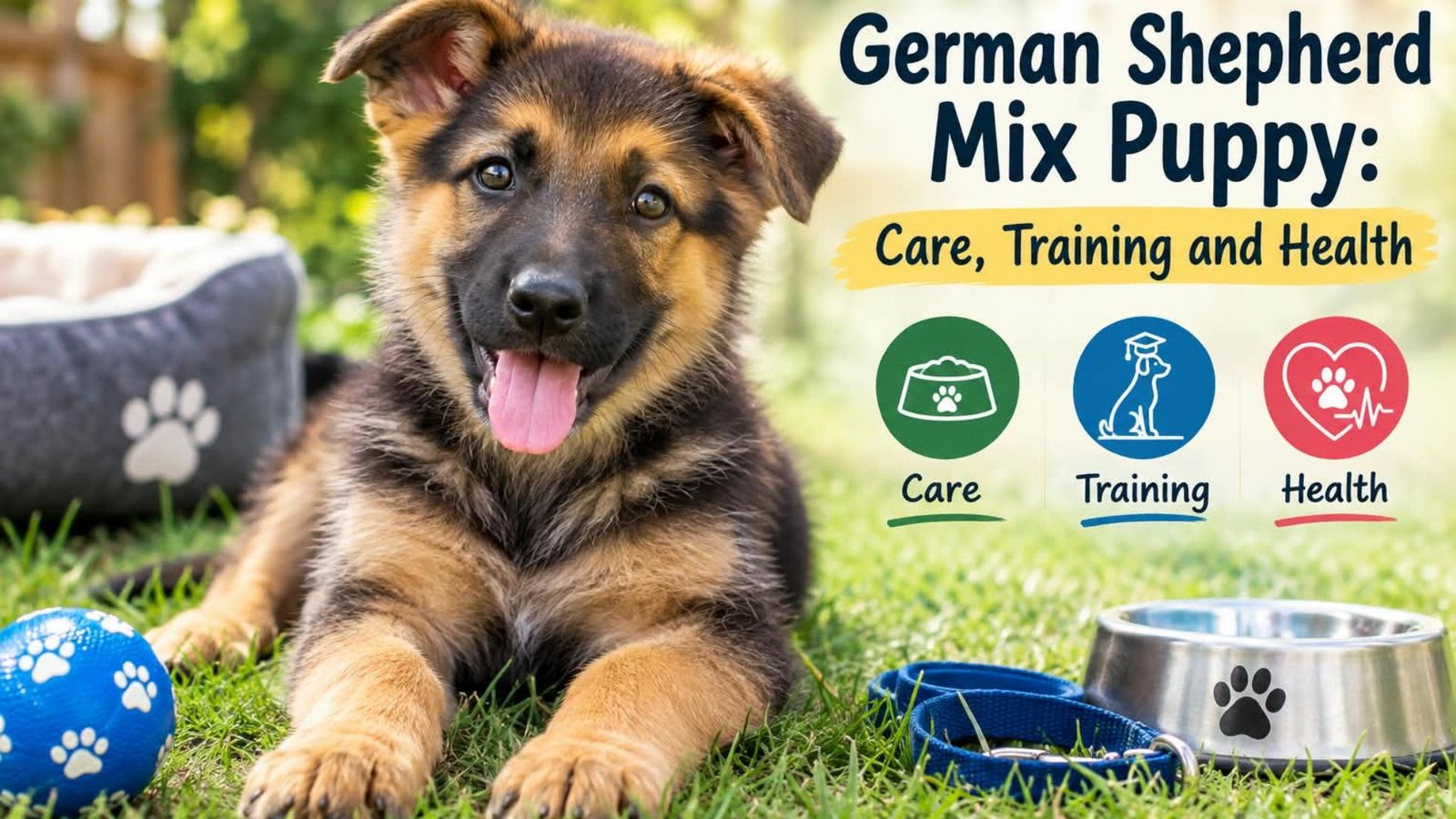
A German Shepherd mix puppy can be a wonderful companion for the right family. These puppies are often intelligent, loyal, active, and eager to learn. However, their appearance, size, personality, and care needs can vary depending on the other parent breed.
Some German Shepherd mixes grow into large, energetic dogs. Others may be smaller or have different coat types and temperaments. Understanding these differences can help you prepare for life with your new puppy.
If you are thinking about adopting or buying a German Shepherd mix puppy, it is important to learn about its diet, exercise, training, grooming, and health needs. With proper care, patience, and positive training, your puppy can grow into a healthy and well-behaved adult dog.
What Is a German Shepherd Mix Puppy?
A German Shepherd mix puppy is a dog that has one German Shepherd parent and another parent from a different breed. The second parent may be a Labrador Retriever, Golden Retriever, Husky, Rottweiler, Poodle, or another breed.
These puppies can inherit physical and behavioral traits from both parents. Some look very similar to purebred German Shepherds, while others have noticeably different features.
For example, a German Shepherd and Labrador mix may have a friendly personality and an athletic body. A German Shepherd and Husky mix may have a thick coat, striking eyes, and high energy levels.
Mixed-breed puppies do not always inherit an equal combination of traits from each parent. Even puppies from the same litter can look and behave differently.
Before bringing one home, ask about both parent breeds whenever possible. Learning about their size, health history, and temperament can help you understand what your puppy may need as it grows.
ALSO READ:Vizsla Pit Mix: Temperament, Care, Health and Training
Appearance of a German Shepherd Mix Puppy
The appearance of a German Shepherd mix puppy depends on its genetic background. Many have a strong body, a medium-length muzzle, and an alert expression.
Their ears may stand upright, remain floppy, or change as they mature. Some puppies have erect ears like a German Shepherd, while others inherit the ears of their second parent.
Coat colors can include black, tan, brown, cream, sable, gray, or a combination of these shades. Certain mixes may also have white markings or distinctive facial patterns.
The coat may be short, medium, long, curly, or thick. A puppy with a Husky parent may develop a dense double coat, while a mix with a short-haired breed may require less brushing.
Eye color can also vary. Brown eyes are common, but some mixes may inherit lighter eyes from their other parent.
Remember that a puppy’s appearance can change as it grows. Its coat color, body shape, and facial features may become more noticeable during adolescence.
Size and Weight
German Shepherd mix puppies can grow into medium-sized or large adult dogs. Their final size depends on their parent breeds, genetics, nutrition, and overall health.
A mix with a Labrador Retriever or Golden Retriever may become a strong, athletic dog. A mix with a smaller breed may remain more compact.
German Shepherds commonly grow into large dogs, so it is sensible to prepare for a puppy that may eventually need plenty of space, exercise, and training.
Puppies grow quickly during their first year. Their weight can change significantly from month to month, and individual growth rates vary.
Your veterinarian can help you monitor your puppy’s growth and body condition. Regular weight checks can show whether your dog is growing at a healthy pace.
Avoid trying to make your puppy grow faster by feeding extra food or unnecessary supplements. Rapid growth can place additional stress on developing joints, particularly in large-breed dogs.
Temperament and Personality
Many German Shepherd mix puppies are intelligent, curious, and strongly connected to their families. They often enjoy spending time with people and learning new activities.
However, temperament depends on both genetics and early experiences. A puppy with a naturally confident background may behave differently from one that is shy or sensitive.
Some German Shepherd mixes are energetic and playful. Others may be calmer, depending on the second parent breed and their individual personality.
These dogs often benefit from regular interaction, mental stimulation, and consistent routines. Long periods without attention or activities may lead to boredom and unwanted behaviors.
A German Shepherd mix may also develop protective tendencies. Early socialization can help your puppy learn that unfamiliar people, sounds, and environments do not automatically represent a threat.
Do not assume that every German Shepherd mix will become a guard dog. Friendly behavior, confidence, and good manners are more useful goals for most family pets.
Common German Shepherd Mix Types
Different combinations can produce different personalities, appearances, and care requirements.
A German Shepherd Labrador mix may be energetic, intelligent, and people-oriented. It may enjoy swimming, retrieving games, and outdoor activities.
A German Shepherd Golden Retriever mix may combine an active nature with a friendly and affectionate personality. Its coat may need regular brushing, particularly during shedding seasons.
A German Shepherd Husky mix may have high exercise needs and a thick coat. Some may also inherit a strong desire to explore, so secure fencing and reliable leash skills are important.
A German Shepherd Rottweiler mix may grow into a powerful dog. Early socialization, careful handling, and reward-based training are particularly important.
A German Shepherd Poodle mix may have a coat that differs from the typical German Shepherd coat. However, there is no guarantee that a mixed-breed puppy will have a low-shedding or hypoallergenic coat.
Research both parent breeds before choosing a puppy. This can help you prepare for its likely size, grooming needs, exercise requirements, and potential health concerns.
Feeding a German Shepherd Mix Puppy
Proper nutrition supports healthy growth, strong muscles, and normal development. Choose a complete and balanced puppy food suitable for your dog’s expected adult size.
If your puppy is likely to become a large dog, ask your veterinarian whether a large-breed puppy formula is appropriate. These foods are designed to provide controlled levels of calories and minerals for growing dogs.
The correct amount of food depends on your puppy’s age, weight, activity level, and the specific food you choose. Follow the feeding guide on the package and adjust portions with veterinary advice.
Young puppies generally need several small meals throughout the day. As they mature, their feeding schedule can gradually change.
Fresh, clean water should always be available. Check the water bowl regularly, especially after play and exercise.
Avoid feeding too many treats because excess calories can contribute to unhealthy weight gain. Treats should make up only a small portion of daily calories.
Human foods also require care. Chocolate, grapes, raisins, onions, garlic, and products containing xylitol can be dangerous to dogs.
Cooked bones may splinter and cause injuries. Fatty table scraps can also upset your puppy’s stomach.
If you want to change your puppy’s food, make the transition gradually over several days unless your veterinarian recommends a different approach. This may reduce the chance of digestive upset.
Training a German Shepherd Mix Puppy
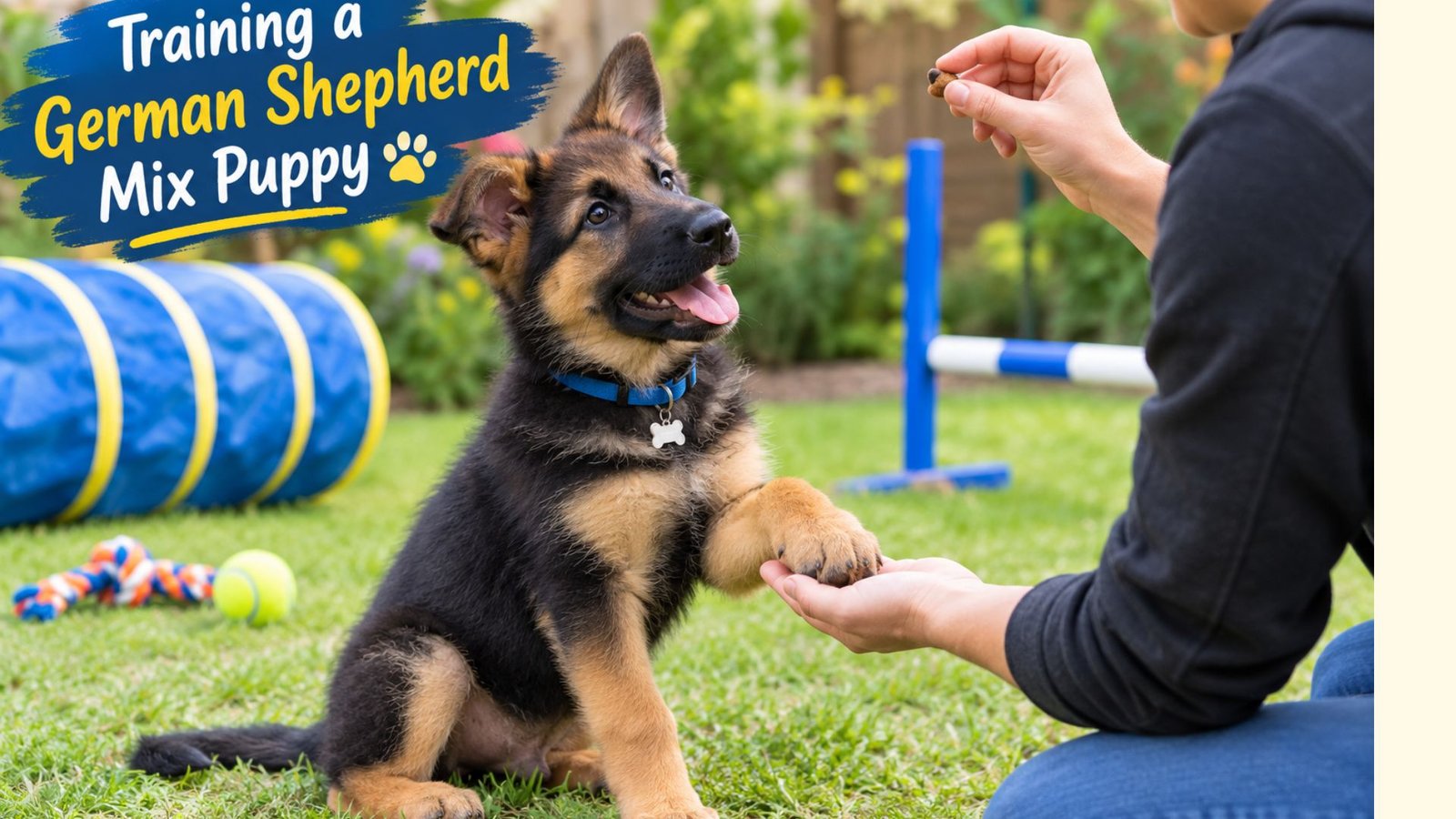
Training is an important part of raising a confident and well-mannered dog. German Shepherds are known for their working abilities, and many mixes enjoy learning new skills.
Start with simple commands such as sit, stay, come, and leave it. Keep training sessions short and positive so your puppy can remain interested.
Reward-based training works by rewarding behaviors you want to encourage. Small treats, praise, toys, and play can all serve as rewards.
Avoid hitting, frightening, or harshly punishing your puppy. These methods can damage trust and may increase fear or defensive behavior.
Consistency is essential. If you do not want your adult dog to jump on visitors, avoid encouraging the behavior when the puppy is small.
Teach your puppy to walk calmly on a leash. Begin indoors or in a quiet area before moving to places with more distractions.
Recall training is especially useful for active dogs. Reward your puppy whenever it returns to you, and avoid calling it only to end enjoyable activities.
Basic training should continue as your puppy grows. Regular practice helps maintain good habits and strengthens your relationship.
Socialization and Early Experiences
Socialization helps puppies become comfortable around different people, animals, places, and everyday sounds.
Introduce your German Shepherd mix puppy to new experiences gradually. Let it explore at its own pace, and reward calm, curious behavior.
Positive experiences may include meeting friendly people, hearing household noises, seeing traffic from a safe distance, and walking on different surfaces.
Avoid forcing your puppy to approach people or animals when it appears frightened. Give it space and allow it to build confidence naturally.
Puppy classes can be useful when they are well managed and require appropriate vaccination precautions. Ask your veterinarian when it is safe to attend.
Young puppies are still developing their immune systems. Follow your veterinarian’s advice about vaccinations and avoid high-risk areas until your puppy is adequately protected.
Socialization does not mean allowing every dog to approach your puppy. Choose calm, healthy, vaccinated dogs with suitable temperaments.
Positive early experiences can help reduce fear and make everyday life easier as your puppy becomes an adult.
Exercise Needs
German Shepherd mix puppies often enjoy movement and active play. However, their exercise needs depend on their age, size, health, and parent breeds.
Young puppies should not be pushed into intense workouts. Their bones and joints are still developing, and excessive repetitive exercise can place unnecessary strain on their bodies.
Offer several short play sessions throughout the day. Gentle walks, sniffing games, supervised exploration, and age-appropriate training can provide useful activity.
Avoid forcing your puppy to run long distances, jump repeatedly from high places, or exercise until it becomes exhausted.
As your dog grows, you can gradually increase activity with veterinary guidance. Adult exercise needs will depend on the individual dog.
Mental exercise is just as important as physical activity. Food puzzles, scent games, simple obedience exercises, and supervised toy play can help keep your puppy engaged.
Watch for signs that your puppy needs a break. Excessive panting, slowing down, lying down repeatedly, or reluctance to continue are reasons to stop and allow rest.
Grooming and Coat Care
Grooming needs vary according to the coat inherited from each parent. Many German Shepherd mixes have a double coat that sheds throughout the year and may shed more heavily during seasonal changes.
Brush your puppy regularly to remove loose hair, prevent tangles, and keep the coat clean. Dogs with longer or thicker coats may need more frequent brushing.
Start grooming when your puppy is young. Keep early sessions short and reward calm behavior so brushing becomes a comfortable routine.
Check your puppy’s ears regularly for dirt, redness, unusual odor, or discharge. Ask your veterinarian how to clean them safely if needed.
Trim the nails when necessary. Long nails can affect comfort and movement, so introduce nail care gradually with treats and patience.
Brush your puppy’s teeth with a dog-safe toothbrush and toothpaste. Human toothpaste is not suitable for dogs because some ingredients can be harmful.
Bathing is usually necessary only when the coat becomes dirty or develops an unpleasant smell. Use a shampoo made for dogs and rinse thoroughly.
Do not shave a double-coated dog without veterinary advice. The coat helps provide insulation and protection, and shaving may interfere with normal coat function.
Health Issues to Understand
German Shepherd mix puppies can be healthy companions, but they may inherit health risks associated with either parent breed.
Hip dysplasia is one concern in German Shepherds and several other large breeds. It affects the hip joint and may contribute to pain, stiffness, or difficulty moving.
Elbow dysplasia can also occur in some larger dogs. Healthy weight management and appropriate exercise are important for developing joints.
Some mixes may be prone to allergies, skin problems, ear infections, or digestive sensitivities. These conditions are not inevitable, but owners should know what symptoms to watch for.
Other potential concerns depend on the second parent breed. For example, some breeds have increased risks of particular eye, heart, or joint conditions.
Ask the breeder for relevant health screening information about both parents. If you adopt from a shelter or rescue, ask for any available veterinary records and known family history.
Schedule routine veterinary examinations and follow recommended vaccination, parasite prevention, and dental care plans.
Seek veterinary attention if your puppy develops persistent vomiting, repeated diarrhea, loss of appetite, unusual tiredness, limping, or other concerning symptoms. Difficulty breathing, collapse, or suspected poisoning requires urgent veterinary help.
Mixed-breed dogs are not automatically free from inherited conditions. Responsible breeding, good preventive care, and early veterinary attention can make a meaningful difference.
Vaccination and Veterinary Care
Your puppy needs regular veterinary care during its first months of life. These visits allow your veterinarian to monitor growth, discuss behavior, and check for developing health problems.
Vaccination schedules depend on age, previous vaccination history, local disease risks, and veterinary guidance. Common core vaccines protect against serious diseases such as canine distemper and parvovirus.
Your veterinarian may also recommend additional vaccines based on your puppy’s lifestyle and location.
Parasite prevention is another important part of puppy care. Fleas, ticks, intestinal worms, and heartworms can pose risks depending on the region where you live.
Ask your veterinarian which preventive products are appropriate for your puppy’s age and weight. Never use a product intended for another species or an animal of a different weight without professional advice.
Discuss microchipping, identification tags, and the appropriate time for spaying or neutering. These decisions can depend on your dog’s size, health, and individual circumstances.
Keep copies of veterinary records and note upcoming appointments. A simple schedule makes it easier to stay on top of preventive care.
German Shepherd Mix Puppy at Home
Before bringing your puppy home, prepare a comfortable and safe space. A suitable bed, food and water bowls, puppy-safe toys, and a secure resting area are good starting points.
Remove electrical cords, cleaning chemicals, medications, and small objects that your puppy might swallow. Keep harmful foods out of reach.
Use gates or exercise pens to limit access to unsafe areas while your puppy learns household rules.
Provide a quiet place where your puppy can rest without constant interruption. Growing puppies need plenty of sleep, and too much stimulation can make them overtired.
Supervise interactions with children and other pets. Teach children to handle the puppy gently and respect its resting space.
If you have another dog, introduce them gradually in a controlled setting. Reward calm behavior and give each animal access to its own food, water, and resting areas.
Establish a predictable daily routine for feeding, potty breaks, training, play, and sleep. Consistency can help your puppy settle into its new home.
Potty Training and Daily Routine
Potty training takes patience, supervision, and consistency. Puppies do not immediately understand where they should relieve themselves.
Take your puppy outside after waking up, eating, drinking, and playing. Young puppies may need frequent bathroom breaks, including during the night.
Choose a consistent outdoor toilet area when possible. Praise and reward your puppy immediately after it finishes in the correct place.
Watch for signs such as sniffing the floor, circling, wandering away, or suddenly becoming restless. These behaviors may mean your puppy needs to go outside.
Accidents are normal during the learning process. Clean indoor accidents thoroughly with an appropriate enzymatic cleaner to reduce lingering odors.
Avoid shouting or punishing your puppy for accidents. This can create fear without teaching the correct behavior.
A daily routine should include meals, bathroom breaks, short training sessions, gentle exercise, socialization, and rest.
As your puppy matures, it will usually become more reliable with bathroom habits. However, illness, changes in routine, or stress can sometimes cause setbacks.
Separation and Being Alone
German Shepherd mix puppies need time to develop confidence when left alone. Some may become distressed if they are suddenly separated from their owners for long periods.
Begin by leaving your puppy in a safe area for very short periods while you remain nearby. Gradually increase the duration as it becomes comfortable.
Offer a safe enrichment toy when appropriate, and make departures and returns calm and predictable.
Do not leave a young puppy alone for an entire workday without suitable care. Puppies need frequent bathroom breaks, meals, supervision, and social contact.
If you need to be away for several hours, arrange help from a trusted person or a suitable pet-care provider.
Watch for signs of separation-related distress, including persistent barking, destructive behavior near exits, drooling, or repeated attempts to escape.
If these behaviors occur regularly, speak with your veterinarian or a qualified, reward-based behavior professional. Gradual training and individualized support can help.
Is a German Shepherd Mix Puppy Good for Families?
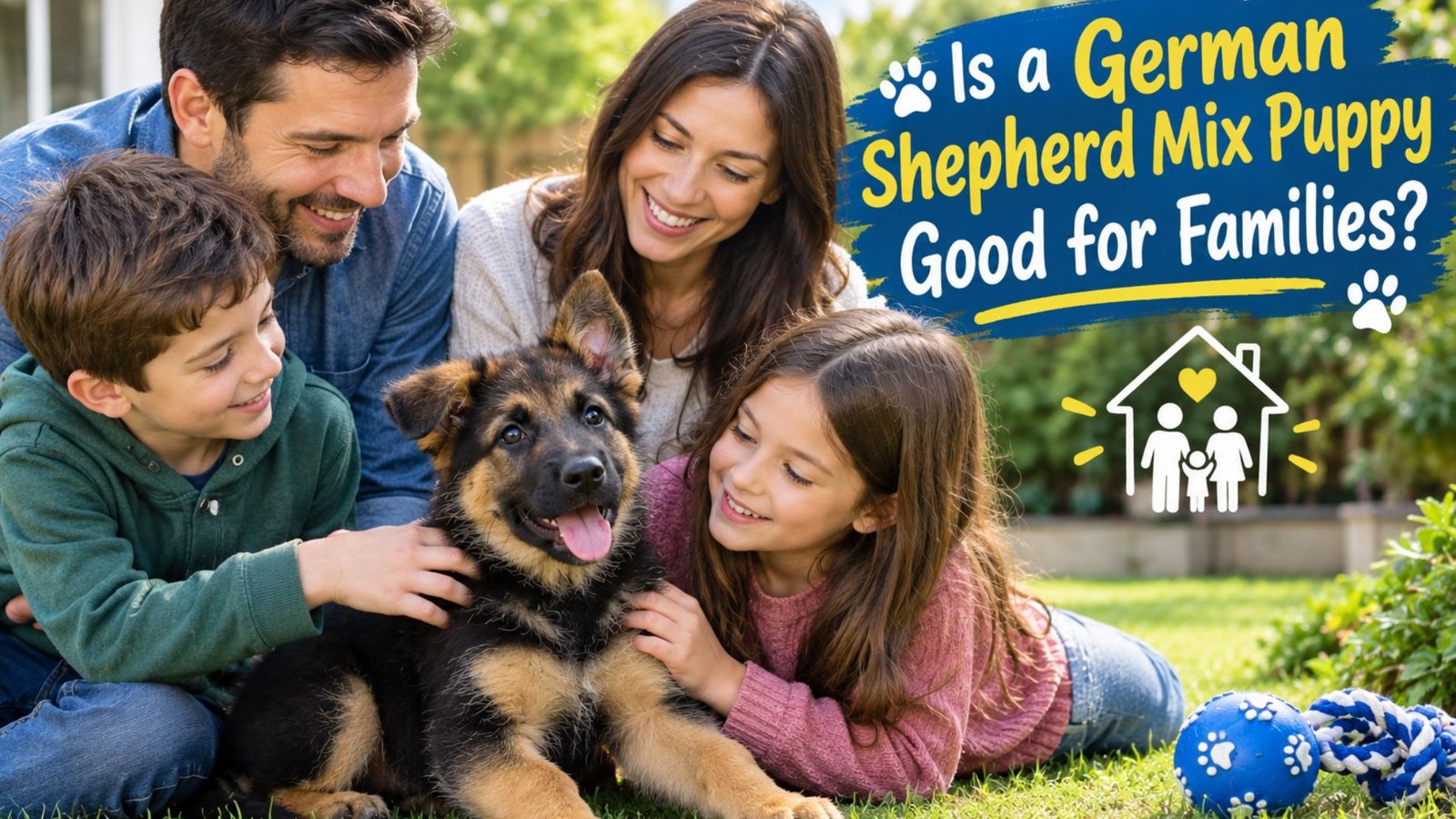
A German Shepherd mix puppy can be a good family companion when its temperament and needs match the household.
Many enjoy playing with children and spending time with family members. However, no dog should be expected to tolerate rough handling, pulling, or unwanted physical contact.
Supervise every interaction between young children and dogs. Teach children not to disturb a sleeping puppy, take away its food, or approach it when it is frightened.
Consider your family’s schedule before bringing a puppy home. Dogs need daily care, training, exercise, and companionship.
Active households may be well suited to energetic mixes. Families with limited time or mobility may prefer a calmer individual with more manageable exercise needs.
If you already have pets, consider how the puppy’s energy and temperament may affect them. A gradual introduction can help everyone adjust.
The best family dog is not necessarily the most energetic or impressive-looking puppy. It is the one whose needs your household can meet throughout its life.
Cost of Owning a German Shepherd Mix Puppy
The initial cost of a German Shepherd mix puppy varies by location, breeder, rescue organization, age, and parent breeds.
Adoption fees may cover some initial veterinary services, while purchasing from a breeder may involve a higher upfront price. Always evaluate the puppy’s health, background, and living conditions rather than choosing based on price alone.
You should also budget for ongoing expenses. These may include food, vaccinations, parasite prevention, routine veterinary visits, grooming supplies, training classes, bedding, toys, and identification.
Unexpected medical expenses can be significant. Setting aside emergency savings or exploring suitable pet insurance can help you prepare.
Large dogs may require more food and larger equipment than small dogs. Some may also need professional training or additional grooming.
Before bringing a puppy home, estimate both monthly expenses and possible emergency costs. Responsible ownership means being prepared to provide care throughout the dog’s life.
How to Choose a Healthy Puppy
Choosing a puppy carefully can help you make a more informed decision.
Look for a puppy that appears alert, comfortable, and interested in its surroundings. Its coat should generally look reasonably clean, and it should be able to move without obvious difficulty.
Ask about the puppy’s age, vaccination history, deworming, diet, and veterinary examinations. Find out what is known about both parents.
If purchasing from a breeder, ask whether the parents have undergone appropriate health screening. A responsible breeder should be willing to discuss health concerns and allow you to understand the conditions in which the puppies are raised.
Be cautious if someone refuses to provide basic records, pressures you to pay immediately, or will not explain the puppy’s background.
If adopting from a rescue organization, ask about the puppy’s known temperament, medical history, and any observed behavioral concerns.
No single appearance or behavior can guarantee that a puppy will remain healthy or have a particular adult personality. Make your decision using available records, professional advice, and a realistic understanding of your responsibilities.
Conclusion
A German Shepherd mix puppy can bring companionship, fun, and affection into your home. These dogs may be intelligent, active, loyal, and eager to learn, but their needs vary depending on their genetic background.
Good nutrition, regular veterinary care, gentle training, early socialization, and appropriate exercise help support healthy development. Grooming, safe housing, and a consistent routine are also important.
ALSO READ:Basset Hound Lab Retriever Mix: Lifespan, Health Issues and Care Tips
FAQs
Are German Shepherd mix puppies easy to train?
Many are intelligent and responsive to training. Short sessions, consistent rules, and positive rewards can help them learn basic commands and good manners.
How big will a German Shepherd mix puppy get?
Adult size depends on the second parent breed, genetics, and individual growth. Ask about both parents and monitor your puppy’s development with veterinary guidance.
What should I feed a German Shepherd mix puppy?
Choose complete and balanced puppy food appropriate for its expected adult size. Your veterinarian can help determine suitable portions and feeding frequency.
Do German Shepherd mix puppies shed a lot?
Many inherit a shedding coat from their German Shepherd parent. Shedding levels depend on the other breed and the puppy’s coat type, so regular brushing is important.
Are German Shepherd mix puppies good with children?
Some can become excellent family companions, but temperament varies. Supervise interactions, teach children gentle handling, and provide training and socialization.
Related Post

Dalmatian Poodle Mix: Care, Temperament and Health
The Dalmatian Poodle mix is an interesting crossbreed that combines the Dalmatian with the Poodle. [...]
Australian Shepherd Pomeranian Mix: Appearance, Behavior, Health & Care
The Australian Shepherd Pomeranian Mix is a small to medium-sized designer dog. It is a [...]