
Beef Trachea for Dogs: Benefits, Risks, Nutrition, and Safe Feeding Guide
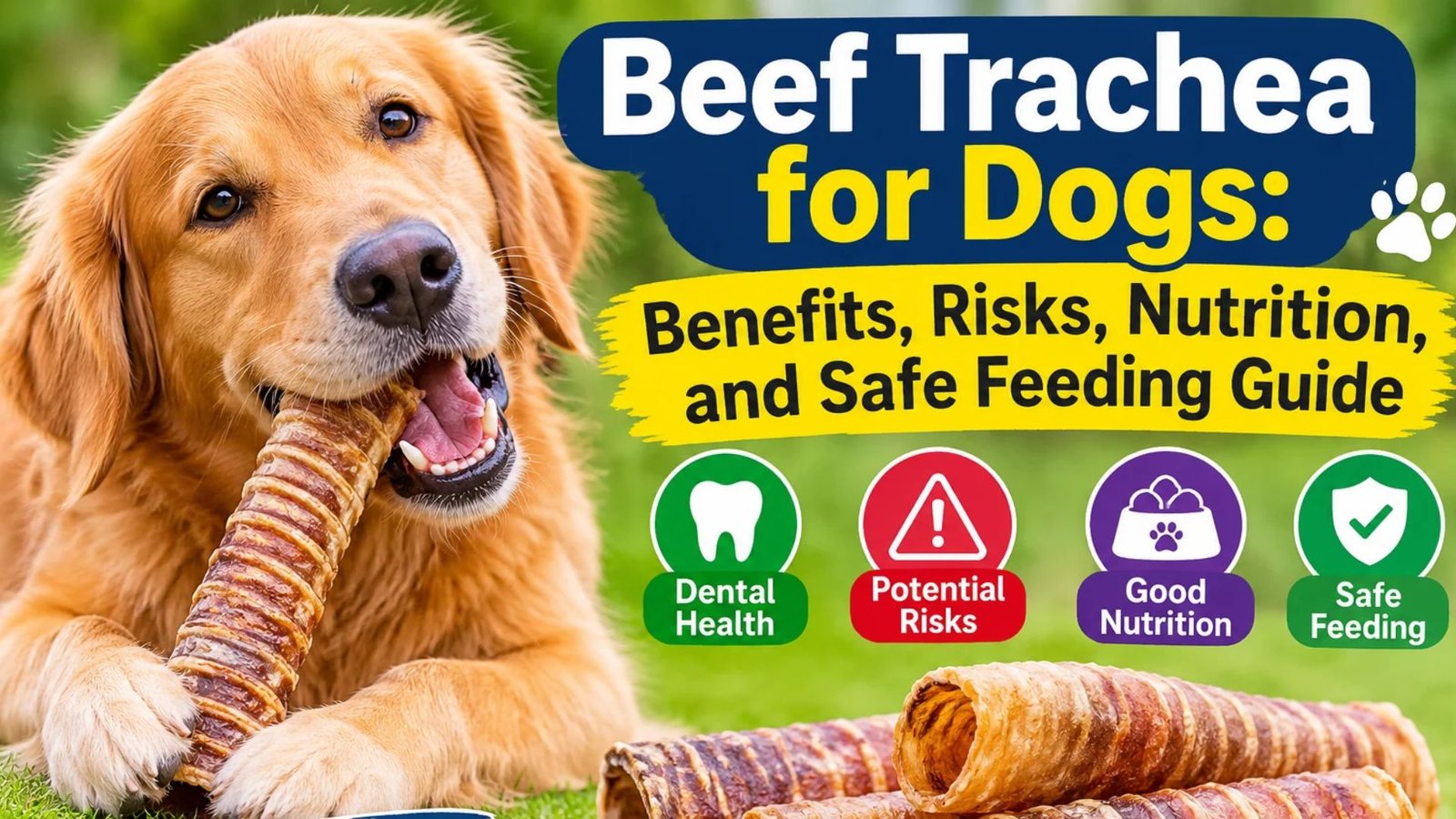
Beef trachea for dogs has become a popular choice among pet owners looking for natural alternatives to traditional dog treats. These chewy treats are made from the windpipe of cattle and are commonly sold in raw, dehydrated, or freeze-dried forms. Their naturally chewy texture, animal-based protein, and cartilage content make them appealing to many dogs.
But are beef trachea chews actually good for dogs? Can they support joint health, help clean teeth, or provide meaningful nutritional benefits? More importantly, are there any risks dog owners should understand before offering one?
The answer is that beef trachea can be an enjoyable occasional treat for many healthy dogs when it is properly sourced, appropriately sized, and given under supervision. However, it is not suitable for every dog. Choking, digestive problems, bacterial contamination, and swallowing large pieces are potential concerns.
In this guide, we will explore everything dog owners need to know about beef trachea for dogs, including its nutritional value, possible benefits, safety concerns, feeding recommendations, and how to choose a quality product.
What Is Beef Trachea for Dogs?
Beef trachea is the windpipe of a cow. It is a flexible tube that carries air between the throat and lungs. Its structure contains cartilage rings that help keep the airway open.
When prepared for dogs, the trachea is cleaned and processed into an edible chew. Depending on the manufacturer, it may be sold as a whole tube, shorter sections, or smaller pieces.
Unlike many heavily processed dog treats, single-ingredient beef trachea products may contain little more than the animal ingredient itself. However, owners should always check the packaging because some manufacturers add other ingredients or flavorings.
Beef trachea is particularly popular because of its naturally hollow shape and chewy texture. Some products also contain small amounts of cartilage and surrounding connective tissue.
ALSO READ:At What Age Is a Dog Considered a Senior? Complete Guide
Dog owners commonly purchase these chews because they offer:
- An animal-based chewing treat.
- A source of protein and connective tissue.
- An alternative to some traditional processed treats.
- An opportunity for dogs to enjoy natural chewing behavior.
- A treat that can provide enrichment during supervised chewing sessions.
Beef trachea is a treat, not a complete dog food. It should never replace a nutritionally balanced daily diet.
Is Beef Trachea Safe for Dogs?
Yes, properly processed beef trachea can be safe for many healthy adult dogs when offered in an appropriate size and under supervision.
However, safe does not mean risk-free. Some dogs may chew too aggressively, swallow large pieces, or experience digestive discomfort after eating animal-based treats.
The safety of beef trachea depends on several factors:
Product quality: Choose products from manufacturers that follow appropriate food safety and processing standards.
Preparation method: Properly processed, heat-treated products generally offer a lower bacterial risk than untreated raw products.
Chew size: The chew should be large enough that your dog cannot swallow it whole.
Chewing behavior: Dogs that aggressively bite off and swallow large chunks may be at greater risk of choking or intestinal obstruction.
Individual health: Dogs with food allergies, digestive conditions, dental problems, or a history of intestinal blockage may need to avoid these treats.
Another important consideration is supervision. Never leave your dog alone with an edible chew. Remove it when it becomes small enough to swallow or starts breaking into pieces that your dog cannot safely manage.
If your dog has never eaten beef trachea before, start with a small amount and observe how they respond.
Nutritional Value of Beef Trachea
Beef trachea contains several naturally occurring components that make it different from ordinary crunchy biscuits.
Its exact nutritional composition depends on the animal, processing method, moisture content, and amount of surrounding tissue.
Here are some of its main nutritional components.
Protein
Beef trachea contains animal-based protein. Protein provides amino acids that dogs need to maintain muscles, support normal body functions, and repair tissues.
However, beef trachea should not be considered a major protein source. Complete and balanced dog food should remain the foundation of your dog’s nutrition.
Cartilage and Connective Tissue
One of the most recognizable features of beef trachea is its cartilage.
Cartilage is a type of connective tissue that contains structural components, including collagen and other proteins. It gives the trachea its flexible shape.
Some owners choose beef trachea because of its cartilage content, particularly when looking for natural chews that contain joint-related nutrients.
Glucosamine-Related Compounds
Cartilage naturally contains compounds associated with joint structures, including glucosamine-related components.
Glucosamine is commonly included in some canine joint supplements because of its potential role in supporting joint health.
However, the amount of glucosamine in an ordinary beef trachea chew is not necessarily standardized or guaranteed. There is also limited evidence that eating beef trachea provides a clinically meaningful improvement in joint health.
Fat and Calories
Beef trachea can contain fat, and its calorie content varies considerably between products.
Some dried chews are more calorie-dense than owners expect because processing removes moisture.
If your dog is overweight or needs to maintain a controlled diet, include the calories from beef trachea in their daily treat allowance.
Always check the manufacturer’s nutritional information rather than assuming all beef trachea products have the same calorie content.
Potential Benefits of Beef Trachea for Dogs
Beef trachea offers several potential advantages, although not all advertised health benefits are supported by strong scientific evidence.
Provides an Enjoyable Chewing Experience
Many dogs naturally enjoy chewing. A suitable beef trachea chew can provide an interesting activity that keeps them occupied for a period of time.
Chewing may also provide mental stimulation and enrichment, especially when dogs receive appropriate opportunities to explore different textures.
However, every dog has a different chewing style. Some finish treats quickly, while others spend more time working through them.
Contains Naturally Occurring Cartilage
Beef trachea contains cartilage, which is one reason it is marketed as a joint-friendly dog treat.
Cartilage naturally contains structural compounds associated with connective tissue. However, this does not mean that eating beef trachea will prevent arthritis or repair damaged joints.
Owners should view its cartilage content as a nutritional feature rather than a proven joint treatment.
May Provide Some Dental Chewing Activity
Chewing creates friction between a dog’s teeth and certain chew surfaces. This may help remove some loose food material or debris.
However, it is important not to confuse ordinary chewing with proven dental care.
There is no strong evidence that beef trachea specifically prevents periodontal disease or reliably removes hardened tartar. Its dental benefits should not be exaggerated.
Regular toothbrushing remains one of the most useful ways to maintain canine oral hygiene. Veterinary-approved dental products can also help.
Offers an Alternative to Some Processed Treats
Single-ingredient beef trachea may appeal to owners who prefer treats with simple ingredient lists.
For example, a product containing only beef trachea can be easier to evaluate than a treat containing several flavorings, colors, and other ingredients.
Nevertheless, natural does not automatically mean safer or healthier. Manufacturing quality and proper handling remain important.
Provides Treat-Time Enrichment
A suitable chew can give dogs an opportunity to enjoy an activity outside their normal meals and walks.
For dogs that enjoy chewing, this may be a useful addition to their enrichment routine.
It should still be offered in moderation rather than used as a replacement for exercise, training, play, or interaction.
Possible Risks and Side Effects
Although beef trachea can be suitable for some dogs, owners should understand its potential disadvantages before making it a regular treat.
Choking Risk
Choking is one of the most important concerns with edible dog chews.
A dog may bite off a large section and attempt to swallow it without chewing properly. Smaller pieces can also become dangerous if they are swallowed whole.
This risk may be higher in dogs that eat quickly or aggressively.
Choose a suitable size, supervise every chewing session, and remove small remaining pieces.
Digestive Upset
Some dogs experience digestive discomfort after eating beef trachea.
Possible symptoms include:
- Loose stools.
- Diarrhea.
- Vomiting.
- Excessive gas.
- Abdominal discomfort.
- Changes in appetite.
These reactions may occur because of the treat’s fat content, richness, unfamiliar ingredients, or the amount consumed.
If your dog develops repeated vomiting, persistent diarrhea, or signs of abdominal pain, contact a veterinarian.
Bacterial Contamination
Animal-based chews can carry harmful bacteria if they are not properly handled or processed.
Raw beef trachea deserves particular caution because uncooked animal products may contain bacteria such as Salmonella, Listeria, or E. coli.
These organisms can affect dogs and may also spread to people through contaminated surfaces, food bowls, or handling.
The CDC does not recommend feeding raw pet food or treats to dogs and cats.
For households with young children, older adults, pregnant people, or individuals with weakened immune systems, avoiding raw animal-based chews is especially important.
Intestinal Blockage
A dog that swallows a large piece of beef trachea may develop an obstruction in the digestive tract.
This is a potentially serious condition that may require emergency veterinary treatment.
Warning signs can include:
- Repeated vomiting.
- Loss of appetite.
- Abdominal swelling or discomfort.
- Unusual tiredness.
- Difficulty passing stools.
- Repeated attempts to vomit.
If you suspect your dog has swallowed a large piece and is showing these symptoms, seek veterinary attention immediately.
Excessive Calories
Beef trachea is a treat, and treats contribute calories to a dog’s daily intake.
Giving too many chews can contribute to unwanted weight gain. This is particularly important for dogs that already receive several treats throughout the day.
The general veterinary nutrition guideline is that treats should account for no more than 10% of a dog’s daily calories, with at least 90% coming from complete and balanced food.
Dental Damage
Some dried animal chews can be tougher than owners expect.
Although beef trachea is generally different from extremely hard items such as antlers and bones, individual products vary in texture and hardness.
A dog that bites down aggressively may still damage a tooth.
Avoid any chew that is excessively hard for your dog, particularly if they have existing dental problems.
Raw vs. Dehydrated Beef Trachea for Dogs
Beef trachea is available in different forms. Understanding the differences can help owners make a safer purchasing decision.
Raw Beef Trachea
Raw beef trachea has not undergone a cooking process sufficient to eliminate harmful bacteria.
Some raw products are frozen for storage, but freezing does not reliably kill all disease-causing microorganisms.
Potential concerns include:
- Salmonella contamination.
- E. coli exposure.
- Listeria contamination.
- Foodborne illness in dogs and people.
- Cross-contamination during handling.
Although raw products are marketed as natural, they are not automatically healthier than properly processed alternatives.
For most households, a properly processed, heat-treated product is a safer choice.
Dehydrated Beef Trachea
Dehydrated beef trachea is produced by removing moisture, usually through controlled warm-air drying.
It is commonly sold as a crunchy or chewy natural dog treat.
Potential advantages include:
- Convenient storage.
- Less moisture than raw products.
- Easier portion management with appropriately sized pieces.
- Longer shelf life when properly manufactured and stored.
However, dehydration alone does not guarantee that harmful bacteria have been eliminated. Ask the manufacturer about its food safety process.
Freeze-Dried Beef Trachea
Freeze-drying removes moisture through a low-temperature process involving freezing and vacuum drying.
It can preserve the original shape and appearance of animal ingredients.
However, freeze-drying is not the same as cooking. A freeze-dried product made from raw beef trachea should still be treated as a raw animal-based product unless the manufacturer confirms an effective pathogen-control process.
Which Type Is Better?
For most dog owners, properly heat-treated and quality-controlled beef trachea is a more sensible option than untreated raw trachea.
| Type | Main consideration |
| Raw | Higher bacterial contamination concerns |
| Dehydrated | Convenient, but processing standards matter |
| Freeze-dried | Lightweight, but may still be raw |
Do not choose a product simply because its packaging says natural, raw, premium, or freeze-dried. Look for clear processing information and reliable quality controls.
How Much Beef Trachea Can a Dog Eat?
There is no single portion size that works for every dog.
The appropriate amount depends on your dog’s body weight, age, activity level, overall diet, chewing habits, and the calories in the product.
A useful starting point is to offer a small portion rather than an entire large chew.
Consider these general guidelines:
Small dogs: Choose a product specifically designed for their size. Avoid pieces that they can swallow whole.
Medium dogs: A medium-sized chew may be appropriate, depending on their chewing behavior and calorie requirements.
Large dogs: Larger chews may be suitable, but aggressive chewers still need supervision.
The manufacturer’s feeding instructions can provide a starting point, but your dog’s individual needs should guide the final decision.
Remember that the 10% treat guideline applies to all treats combined, not just beef trachea.
If your dog already receives training treats, biscuits, dental chews, or table-food extras, reduce the overall treat allowance accordingly.
Can Puppies Eat Beef Trachea?
Puppies may be interested in beef trachea because they naturally explore their surroundings by chewing.
However, this does not mean that every puppy is ready for this type of treat.
Young puppies have developing teeth and may not have the chewing control needed to handle an edible animal chew safely.
Before offering beef trachea, consider:
- Your puppy’s age and developmental stage.
- Whether their adult teeth are developing.
- Their ability to chew rather than swallow large pieces.
- The hardness and size of the product.
- Their digestive sensitivity.
A veterinarian can help determine whether a particular chew is appropriate for your puppy.
For very young puppies, softer, puppy-specific chew toys are generally a more sensible starting point.
Never give a puppy an adult-sized chew simply because it appears durable or natural.
Is Beef Trachea Suitable for Senior Dogs?
Some senior dogs may enjoy beef trachea, but their individual dental and digestive health should determine whether it is appropriate.
Older dogs can develop worn teeth, gum disease, missing teeth, or reduced chewing strength.
A hard or overly tough chew may be uncomfortable for a senior dog with dental problems.
Before offering beef trachea to an older dog, consider:
Dental condition: Dogs with broken teeth, painful gums, or missing teeth may struggle with firm chews.
Digestive health: Senior dogs with sensitive stomachs may not tolerate rich animal-based treats.
Weight management: Less active older dogs may need fewer treat calories.
Chewing ability: Choose a texture that your dog can manage without excessive force.
If your senior dog has arthritis, dental disease, or another ongoing medical condition, ask your veterinarian before introducing a new chew.
How to Choose High-Quality Beef Trachea Dog Chews
Not every beef trachea product is manufactured to the same standard.
A good purchasing decision should consider ingredient quality, processing, product size, packaging, and the manufacturer’s reputation.
Check the Ingredient List
Look for products that clearly identify beef trachea as the main or only ingredient.
Avoid products with unnecessary additives if your dog has known food sensitivities.
If a product contains flavorings, preservatives, or other ingredients, make sure they are suitable for dogs.
Look for Food Safety Information
A trustworthy manufacturer should be able to explain how the product is processed and what steps are taken to control bacterial contamination.
For dried products, ask whether the manufacturing process includes a validated pathogen-reduction step.
Do not assume that a product is bacteria-free simply because it looks dry.
Choose the Correct Size
The chew should match your dog’s body size and chewing style.
A small piece can be swallowed too quickly by a large dog, while an oversized or excessively firm piece may be difficult for a small dog to manage.
Always check the manufacturer’s size recommendations.
Inspect the Packaging
Before purchasing, check:
- The expiry or best-before date.
- The ingredient list.
- Storage instructions.
- Manufacturer details.
- Country of origin.
- Packaging condition.
- Any relevant safety or processing information.
Avoid products with damaged packaging, unusual odors, visible spoilage, or unclear labeling.
Consider the Manufacturer’s Reputation
Choose established brands that provide clear product descriptions and transparent manufacturing information.
In the USA, look for information about applicable FDA and state feed or pet-food requirements.
In the UK, check that the manufacturer and product meet relevant animal feed regulations.
Natural dog chews should come from a supplier that takes product safety seriously.
How Often Should Dogs Eat Beef Trachea?
Beef trachea should be treated as an occasional snack rather than an everyday nutritional requirement.
Some healthy adult dogs may tolerate small amounts regularly, but there is no universal feeding schedule that suits every dog.
A sensible approach is to begin with an occasional supervised chewing session and observe how your dog responds.
Consider reducing the frequency if your dog experiences loose stools, gains weight, or receives several other treats.
Also remember that a dog does not need beef trachea to maintain good health.
A complete diet, fresh drinking water, exercise, routine veterinary care, and appropriate dental hygiene are much more important.
How to Introduce Beef Trachea Into Your Dog’s Diet Safely
If you decide to try beef trachea, introduce it gradually.
A careful approach can help you identify digestive reactions and reduce avoidable chewing risks.
Start with the right product. Choose a properly processed chew with a size and texture appropriate for your dog.
Offer a small amount. Avoid giving a large chew immediately, particularly if your dog has never eaten beef trachea before.
Supervise the entire session. Stay close enough to intervene if your dog starts swallowing large pieces or chewing aggressively.
Watch for digestive changes. Monitor your dog’s stool, appetite, and behavior after the first feeding.
Remove the remaining chew when necessary. Never allow your dog to swallow the final small section.
Keep fresh water available. Your dog should always have access to clean drinking water.
If your dog develops vomiting, diarrhea, itching, or other unusual symptoms, stop offering the product and contact your veterinarian when appropriate.
When Should You Avoid Giving Beef Trachea?
Although some dogs can enjoy beef trachea safely, certain situations make it a poor choice.
Consider avoiding it if your dog:
- Has a known beef allergy or intolerance.
- Has a history of choking or swallowing chews whole.
- Has previously experienced intestinal obstruction.
- Has significant dental disease or painful teeth.
- Has a sensitive digestive system that reacts to rich treats.
- Is recovering from gastrointestinal surgery.
- Has a medical condition requiring a restricted diet.
- Is unable to chew safely because of age or physical limitations.
Dogs that eat aggressively may also need a different type of enrichment activity.
If your dog has an existing health condition, ask your veterinarian before adding beef trachea to their routine.
Seek immediate veterinary help if your dog chokes, struggles to breathe, or shows signs of a possible intestinal blockage.
Conclusion
Beef trachea for dogs can be an enjoyable natural chew for many healthy adult dogs when the product is properly processed, appropriately sized, and offered under supervision.
It contains animal-based protein and naturally occurring cartilage, making it an interesting alternative to some conventional dog treats. Its chewy texture can also provide an enjoyable chewing activity.
However, its nutritional and health benefits should not be exaggerated. There is not enough evidence to claim that beef trachea reliably improves joint function, prevents dental disease, or treats existing health problems.
The most important considerations are product quality, bacterial safety, portion control, and your dog’s individual chewing ability.
For most owners, a properly heat-treated product from a reputable manufacturer is a sensible choice over untreated raw beef trachea.
Introduce it gradually, monitor your dog’s response, and remove small remaining pieces before they become a choking hazard.
Ultimately, beef trachea should remain an occasional addition to a balanced diet, not a replacement for proper nutrition or veterinary care.
ALSO READ:Assisi Loop for Dogs: How It Works, Benefits, Uses, and Safety Guide
FAQs
Can dogs eat beef trachea every day?
It is generally better to offer beef trachea occasionally rather than automatically making it a daily treat. Too many chews can add unnecessary calories and cause digestive upset.
Is beef trachea good for dogs’ joints?
Beef trachea contains naturally occurring cartilage and connective tissue. However, there is insufficient evidence that eating these chews provides meaningful joint improvements or treats arthritis.
Can beef trachea cause diarrhea in dogs?
Yes. Some dogs may develop diarrhea or loose stools because of the treat’s fat content, richness, or an individual digestive reaction. Reduce or stop feeding it if symptoms develop.
Is raw or dehydrated beef trachea better for dogs?
Properly heat-treated dehydrated beef trachea is generally a safer choice than untreated raw trachea because of the lower bacterial risk. However, not all dehydration processes eliminate harmful bacteria.
Can small dogs safely chew beef trachea?
Yes, some small dogs can enjoy appropriately sized beef trachea chews. Choose a product designed for their size, supervise closely, and avoid pieces they could swallow whole.
Related Post

The Dog Pet: A Complete Guide to Choosing and Caring for Your Dog
Dogs bring companionship, affection, and plenty of personality into everyday life. Whether you are welcoming [...]
Fun Fact About Dogs Fascinating Facts for Pet Lovers
Fun fact about dogs means sharing interesting and surprising facts about dogs. These facts can [...]