
Pet Grooming for Cats Near Me: How to Find the Best Cat Groomer, Services, Costs, and Tips
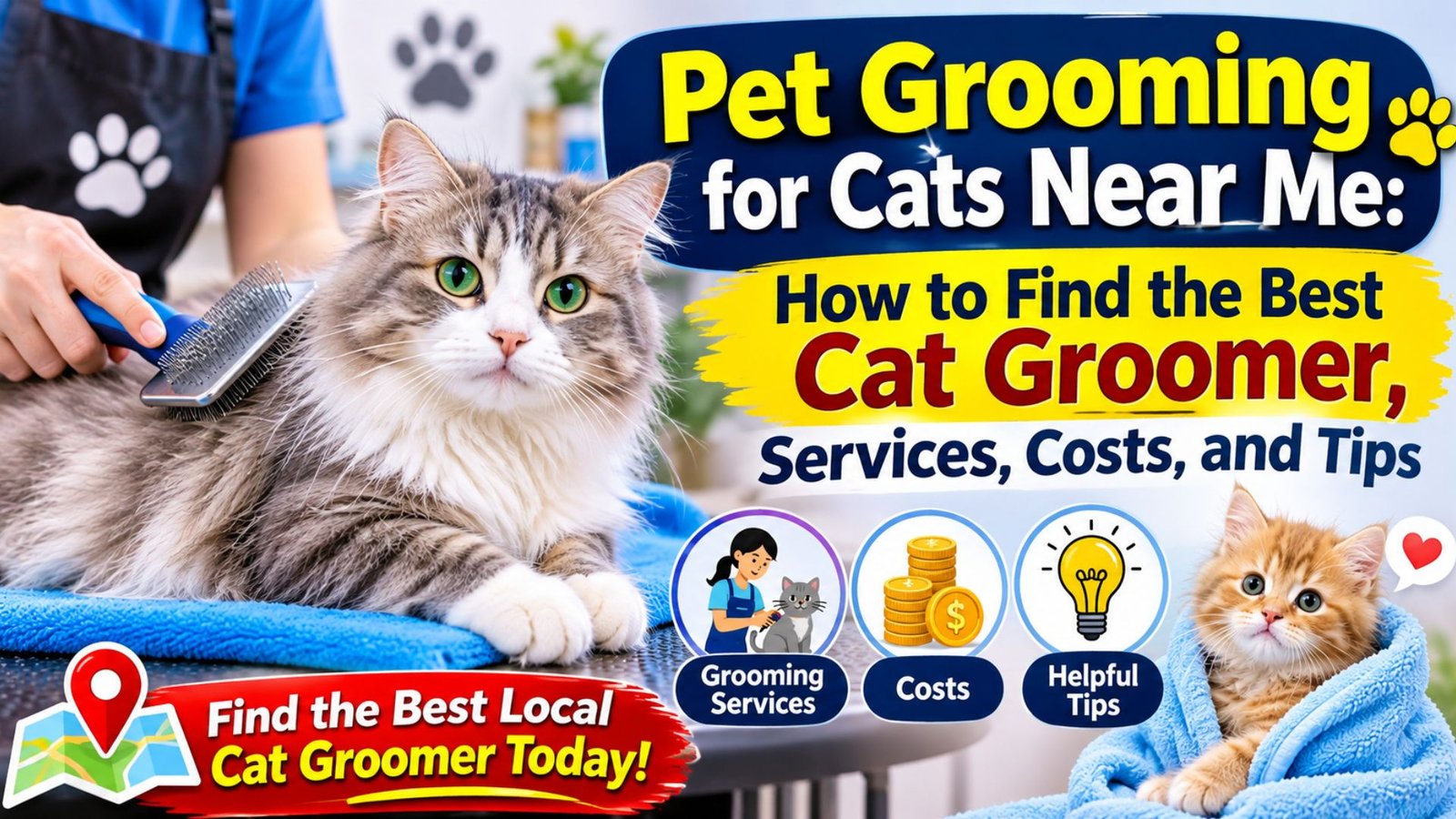
Finding reliable pet grooming for cats near me can make a big difference to your cat’s comfort, cleanliness, and overall well-being. Although cats are naturally good at cleaning themselves, some still need professional grooming to manage tangled fur, remove stubborn mats, trim overgrown nails, and maintain a healthy coat.
Whether you have a fluffy Persian, a short-haired British Shorthair, an older cat, or a nervous rescue, choosing the right groomer is important. A professional cat groomer understands feline behavior and knows how to handle different coat types and grooming needs.
If you are searching for cat grooming services near me, you may find several options, including local grooming salons, mobile cat groomers, and veterinary grooming services. However, not every service is suitable for every cat.
This guide explains how to find trustworthy professional cat groomers, what services they provide, how much grooming costs in the USA and UK, and how to prepare your cat for a safe and comfortable appointment.
What Is Pet Grooming for Cats?
Pet grooming for cats involves cleaning, brushing, trimming, and maintaining a cat’s fur, nails, ears, and other areas that need attention.
Some cats need only occasional professional grooming, while others require regular appointments because of their long or thick coats.
ALSO READ:Cat Groomers in My Area: How to Find the Best Local Groomer
Professional grooming may include:
- Bathing and drying the coat.
- Removing loose fur and dead hair.
- Brushing and detangling knots.
- Trimming overgrown nails.
- Cleaning the outer ear area.
- Removing or carefully addressing tangled mats.
- Trimming fur around sanitary areas.
- Providing suitable coat trims when necessary.
Unlike dogs, most cats do not need frequent full-body haircuts or regular baths. Their grooming requirements depend on their coat, lifestyle, age, and health.
Professional grooming is particularly helpful for long-haired cats that struggle to maintain their coats independently.
How to Find Pet Grooming for Cats Near Me
Finding the best cat groomer near me starts with researching local services and checking whether they have experience handling cats.
Here are some practical ways to find a suitable grooming professional.
1. Search on Google Maps
Google Maps is a convenient starting point when looking for local cat grooming salons.
Search for phrases such as:
- Pet grooming for cats near me
- Cat grooming services near me
- Professional cat groomers
- Affordable cat grooming
- Mobile cat grooming near me
Look at customer reviews, photographs, business information, and service descriptions. Pay particular attention to reviews from cat owners rather than relying only on general dog grooming feedback.
2. Check Local Reviews and Recommendations
Ask other cat owners, local pet communities, and trusted veterinary clinics for recommendations.
Look for reviews that mention:
- Gentle handling of nervous cats.
- Experience with long-haired breeds.
- Clean grooming equipment.
- Patient and knowledgeable staff.
- Clear pricing.
- Good communication with owners.
A large number of positive reviews can be encouraging, but detailed feedback about feline handling is more useful than a simple star rating.
3. Ask Your Veterinarian
Veterinary clinics may recommend experienced cat groomers in your area.
Some veterinary practices also offer grooming services, particularly for cats with special health or handling requirements.
4. Compare Several Local Services
Do not automatically choose the first business you find.
Contact at least two or three suitable providers and ask about their experience, grooming procedures, prices, and safety policies.
Comparing services helps you make a more informed decision.
Types of Professional Cat Grooming Services
Professional cat groomers offer different services depending on a cat’s coat condition and individual needs.
Bathing and Drying
Although cats usually clean themselves, some may need occasional bathing.
Professional bathing can help remove dirt, grease, unpleasant odors, and substances that cannot be safely removed through ordinary brushing.
A groomer should use cat-safe shampoo and gentle drying methods. Strong heat and unnecessary restraint should be avoided.
Brushing and Detangling
Brushing removes loose hair, reduces shedding, and helps prevent knots.
This service is especially useful for Persian cats, Maine Coons, Ragdolls, and other long-haired breeds.
Nail Trimming
Overgrown claws can become uncomfortable and may sometimes curl into a cat’s paw pads.
A professional groomer can trim the sharp tips without cutting into the sensitive quick inside each nail.
Ear Cleaning
Some groomers offer gentle cleaning of the outer ear area.
However, ears should not be cleaned deeply without veterinary guidance. Redness, discharge, swelling, or a strong odor may indicate an ear problem that requires medical attention.
Sanitary Trimming
Sanitary trimming involves shortening excess fur around the rear end to help prevent waste from becoming trapped in long coats.
It can be particularly useful for older or long-haired cats.
Mat Removal
Mats are tightly tangled sections of fur that can pull on the skin and cause discomfort.
Professional groomers may remove small, manageable mats using appropriate tools.
Severe mats should be assessed carefully. Clippers may be safer than scissors because cat skin can easily be pulled into a mat and accidentally cut.
Coat Trimming
Some cats benefit from a practical coat trim to make maintenance easier.
A popular example is a lion cut, in which much of the body fur is shortened while selected areas remain longer.
However, shaving should not be treated as a routine requirement. A cat’s coat helps provide insulation and protection, so trimming should be based on individual needs.
How Much Does Cat Grooming Cost?
Cat grooming prices vary depending on location, coat length, temperament, matting, and the services requested.
The following are approximate planning ranges, not guaranteed local quotes.
| Grooming service | USA estimated cost | UK estimated cost |
| Basic brushing | 15–35 | £15–£30 |
| Nail trimming | 10–25 | £10–£20 |
| Bath and brush | 40–80 | £35–£65 |
| Full grooming | 60–120 | £50–£90 |
| Lion cut or extensive trimming | 75–150+ | £65–£120+ |
| Mobile cat grooming | 70–150+ | £60–£120+ |
Actual prices may be higher in expensive cities or for cats requiring additional handling.
Factors That Affect Cat Grooming Prices
Several factors can influence the final bill.
Coat length: Long-haired cats generally require more brushing and detangling time.
Matting: Severe tangles may require additional time and specialized equipment.
Cat behavior: Nervous or difficult-to-handle cats may need extra attention or a specialist.
Service type: A basic nail trim costs less than a complete bath, drying, brushing, and coat trim.
Location: Grooming prices in major cities may be higher than those in smaller towns.
Before booking, request a price estimate and ask whether additional charges apply for mat removal, difficult handling, or extra services.
Mobile Cat Grooming vs. Grooming Salons
When searching for mobile cat grooming near me, you may find professionals who bring grooming equipment directly to your home.
Both mobile and salon-based grooming have advantages.
Mobile Cat Grooming
Mobile grooming usually takes place inside a specially equipped vehicle parked near your home.
Advantages:
- Less travel for your cat.
- Convenient for busy owners.
- Individual attention in many mobile services.
- No waiting room shared with other pets.
- Helpful for some cats that become stressed during transportation.
Disadvantages:
- May cost more than salon grooming.
- Availability can be limited.
- Not every mobile vehicle has suitable equipment for every grooming requirement.
Mobile grooming may be a good option for cats that dislike car journeys or unfamiliar waiting rooms.
Salon-Based Cat Grooming
Salon grooming takes place at a dedicated grooming facility.
Advantages:
- Access to professional grooming equipment.
- Different service packages.
- Potentially more affordable appointments.
- Experienced staff may handle different coat types.
Disadvantages:
- Requires transportation.
- Unfamiliar surroundings may cause stress.
- Some salons handle dogs and cats in the same building.
Ask whether the salon provides separate cat grooming areas or quieter appointment times.
Neither option is automatically better. The right choice depends on your cat’s personality, health, and grooming needs.
How to Choose the Best Cat Groomer Near Me
Choosing professional cat groomers requires more than checking prices and availability.
Look for someone who understands feline behavior and uses safe, gentle handling techniques.
Check Cat-Specific Experience
Some groomers mainly work with dogs and have limited experience with cats.
Ask how frequently they groom cats and whether they have experience with your cat’s breed and coat type.
Inspect Cleanliness and Equipment
A reliable grooming environment should have clean tables, sanitized tools, suitable grooming equipment, and appropriate hygiene procedures.
Ask About Handling Methods
Cats can become frightened during unfamiliar experiences.
A good groomer should understand feline body language and know when to pause rather than force a grooming procedure.
Review Pricing and Policies
Before booking, confirm:
- The estimated total cost.
- Services included in the appointment.
- Cancellation policies.
- Additional charges.
- Whether owners can stay nearby.
- What happens if the cat becomes extremely distressed.
Important Questions to Ask Before Booking
Consider asking these questions:
- How much experience do you have grooming cats?
- Do you regularly groom long-haired and senior cats?
- What products do you use?
- How do you handle frightened or nervous cats?
- Do you use cage dryers or heated drying equipment?
- What happens if you discover severe matting or skin irritation?
- Can you provide a price estimate before starting?
- Do you require vaccination or health records?
- Are you insured, and what safety procedures do you follow?
Clear answers can help you identify a knowledgeable and responsible grooming professional.
Warning Signs of an Unreliable Grooming Service
Avoid services that:
- Refuse to explain their grooming procedures.
- Have visibly dirty equipment or facilities.
- Use excessive force or rough restraint.
- Cannot demonstrate relevant cat grooming experience.
- Refuse to discuss pricing.
- Promise to remove every mat without assessing the skin.
- Ignore signs of fear, pain, or breathing difficulty.
- Use unsuitable products or unsafe drying methods.
Your cat’s safety should always come before appearance or convenience.
Grooming Services for Different Cats and Coat Types
Every cat has different grooming requirements.
Long-Haired Cats
Persians, Maine Coons, and Ragdolls often need regular brushing to prevent tangles and mats.
Professional grooming can help maintain their coats, especially when owners struggle to manage thick fur at home.
Short-Haired Cats
Short-haired cats generally need less professional grooming.
Occasional brushing, nail trimming, and bathing when genuinely necessary may be sufficient.
Senior Cats
Older cats may have difficulty reaching certain areas of their bodies.
Arthritis, reduced flexibility, and other age-related changes can make self-grooming harder.
Choose a groomer experienced with senior cats who can provide gentle handling and shorter sessions.
Nervous Cats
Nervous cats need patient groomers who recognize signs of stress.
Look for professionals who use calm handling techniques and avoid unnecessary restraint.
Some cats may benefit from shorter appointments or veterinary guidance before grooming.
Difficult-to-Handle Cats
Cats that scratch, bite, panic, or strongly resist grooming need special consideration.
Do not assume every groomer can safely handle these situations.
A veterinarian may recommend a suitable approach, including medically supervised grooming or prescribed medication when appropriate. Never give a cat sedatives without veterinary instructions.
How to Prepare Your Cat for a Grooming Appointment
A little preparation can make the first grooming appointment easier.
1. Introduce Grooming Tools Gradually
Allow your cat to investigate a brush or comb without forcing contact.
Reward calm behavior with treats and praise.
2. Get Your Cat Comfortable With Handling
Gently touch your cat’s paws, ears, and body during relaxed moments.
Stop if your cat becomes uncomfortable.
3. Choose a Suitable Appointment Time
Try to schedule grooming when your cat is usually relaxed.
Avoid rushing or making unnecessary changes immediately before the appointment.
4. Explain Your Cat’s Needs
Tell the groomer about:
- Previous grooming experiences.
- Fear or aggressive behavior.
- Sensitive areas.
- Existing mats.
- Known skin problems.
- Relevant medical conditions.
5. Follow the Groomer’s Instructions
Ask whether your cat needs a carrier, vaccination records, or any special preparation.
Do not fast your cat unless a veterinarian specifically instructs you to do so.
Benefits of Professional Cat Grooming
Professional grooming offers several potential benefits when performed appropriately.
Healthier coat: Brushing removes loose fur and helps prevent excessive tangling.
Reduced matting: Regular maintenance can prevent painful mats from developing.
Improved hygiene: Sanitary trimming may help long-haired cats stay cleaner.
Nail maintenance: Regular trimming can reduce problems associated with overgrown claws.
Early observation: Groomers may notice unusual lumps, skin irritation, parasites, or coat changes that owners can discuss with a veterinarian.
Comfort: Cats that cannot groom themselves effectively may feel more comfortable after appropriate coat maintenance.
However, grooming does not replace veterinary examinations or medical treatment.
Possible Risks and Safety Concerns
Professional grooming is generally safe when performed by an experienced person using appropriate methods, but problems can occur.
Potential risks include:
- Cuts from clippers or scissors.
- Skin irritation from unsuitable products.
- Stress and fear.
- Overheating during drying.
- Injuries caused by rough restraint.
- Accidental damage to severely matted skin.
Some cats may become extremely distressed during grooming.
If your cat has breathing difficulties, collapses, appears severely distressed, or shows signs of injury, the procedure should stop and veterinary attention should be sought.
Choose a groomer who prioritizes your cat’s physical and emotional well-being.
How Often Should Cats Be Professionally Groomed?
There is no single grooming schedule suitable for every cat.
The ideal frequency depends on coat type, age, health, and how effectively your cat maintains its own fur.
General guidance includes:
- Long-haired cats: Professional grooming every 4–8 weeks may help manage difficult coats.
- Short-haired cats: Occasional professional grooming may be sufficient.
- Senior cats: Grooming frequency depends on mobility and self-grooming ability.
- Cats prone to matting: More frequent brushing and occasional professional maintenance may be needed.
These are general estimates rather than strict rules.
Your groomer can suggest a maintenance schedule based on your cat’s individual needs.
Tips for Maintaining Your Cat’s Coat at Home
Regular home care can reduce the need for extensive professional grooming.
Brush Regularly
Use a suitable brush or comb for your cat’s coat length.
Long-haired cats may need daily brushing, while many short-haired cats benefit from brushing once or twice a week.
Check for Mats
Pay attention to areas behind the ears, under the legs, around the neck, and near the tail.
Never pull or cut close to the skin when dealing with tight mats.
Keep Nails Under Control
Check your cat’s claws regularly and trim them carefully if you are comfortable doing so.
Ask a professional to demonstrate the correct technique if you are unsure.
Provide a Balanced Diet
A complete and balanced diet supports healthy skin and coat condition.
Sudden changes in coat quality may require veterinary assessment rather than simply changing grooming products.
Monitor Skin and Coat Changes
Look for unusual hair loss, excessive scratching, dandruff, redness, or bald patches.
These symptoms may indicate an underlying problem.
When Does Your Cat Need Veterinary Attention?
Some grooming-related problems require medical care instead of ordinary salon services.
Contact a veterinarian if your cat develops:
- Severe or widespread matting close to the skin.
- Open wounds or bleeding.
- Persistent itching or skin irritation.
- Unusual hair loss.
- Swelling or painful areas.
- Ear discharge or unpleasant ear odor.
- Fleas or other suspected parasites.
- Sudden changes in grooming behavior.
Cats with arthritis, obesity, diabetes, or other medical conditions may also need special consideration before grooming.
If a cat has severe mats, a skin infection, or significant handling difficulties, veterinary grooming may be safer than an ordinary grooming appointment.
A veterinarian can assess the underlying issue and decide whether clipping, medication, or another treatment is appropriate.
Conclusion
Finding reliable pet grooming for cats near me is about more than choosing an affordable service. It means finding an experienced professional who understands feline behavior, recognizes different coat requirements, and prioritizes your cat’s comfort and safety.
Whether you choose a local grooming salon, mobile cat grooming, or veterinary grooming services, take time to compare experience, cleanliness, customer reviews, handling techniques, and prices.
Long-haired cats, senior cats, and pets that struggle with self-grooming may benefit particularly from professional assistance. However, regular brushing and basic home care remain important between appointments.
Before booking, ask questions, explain your cat’s individual needs, and make sure the groomer uses gentle and appropriate techniques. With the right professional and a consistent grooming routine, you can help your cat maintain a comfortable, clean, and healthy coat.
ALSO READ:Fluffy Kittens for Sale: How to Find Your Perfect Kitten
FAQs
1. How do I find a good cat groomer near me?
Search Google Maps for cat grooming services near me, compare customer reviews, check feline grooming experience, and ask local veterinarians for recommendations. Always confirm safety procedures before booking.
2. How much does professional cat grooming cost?
Professional cat grooming may cost approximately 40–120 in the USA and £35–£90 in the UK for many common grooming packages. Prices vary depending on location, coat condition, and services.
3. How often should I take my cat to a groomer?
Long-haired cats may benefit from professional grooming every 4–8 weeks, while short-haired cats often need less frequent appointments. Individual grooming needs vary.
4. Do cat groomers accept nervous or aggressive cats?
Some experienced cat groomers accept nervous cats, but not every professional can safely handle aggressive or highly stressed pets. Veterinary guidance may be necessary.
5. Is mobile cat grooming better for cats?
Mobile grooming can reduce travel stress and provide a convenient experience. However, salon grooming may offer better access to specialized equipment. The best option depends on your cat’s temperament and needs.
Related Post
How Can You Tell That a Cat Is Pregnant? 10 Signs to Watch For
If you are wondering how can you tell that a cat is pregnant, there are [...]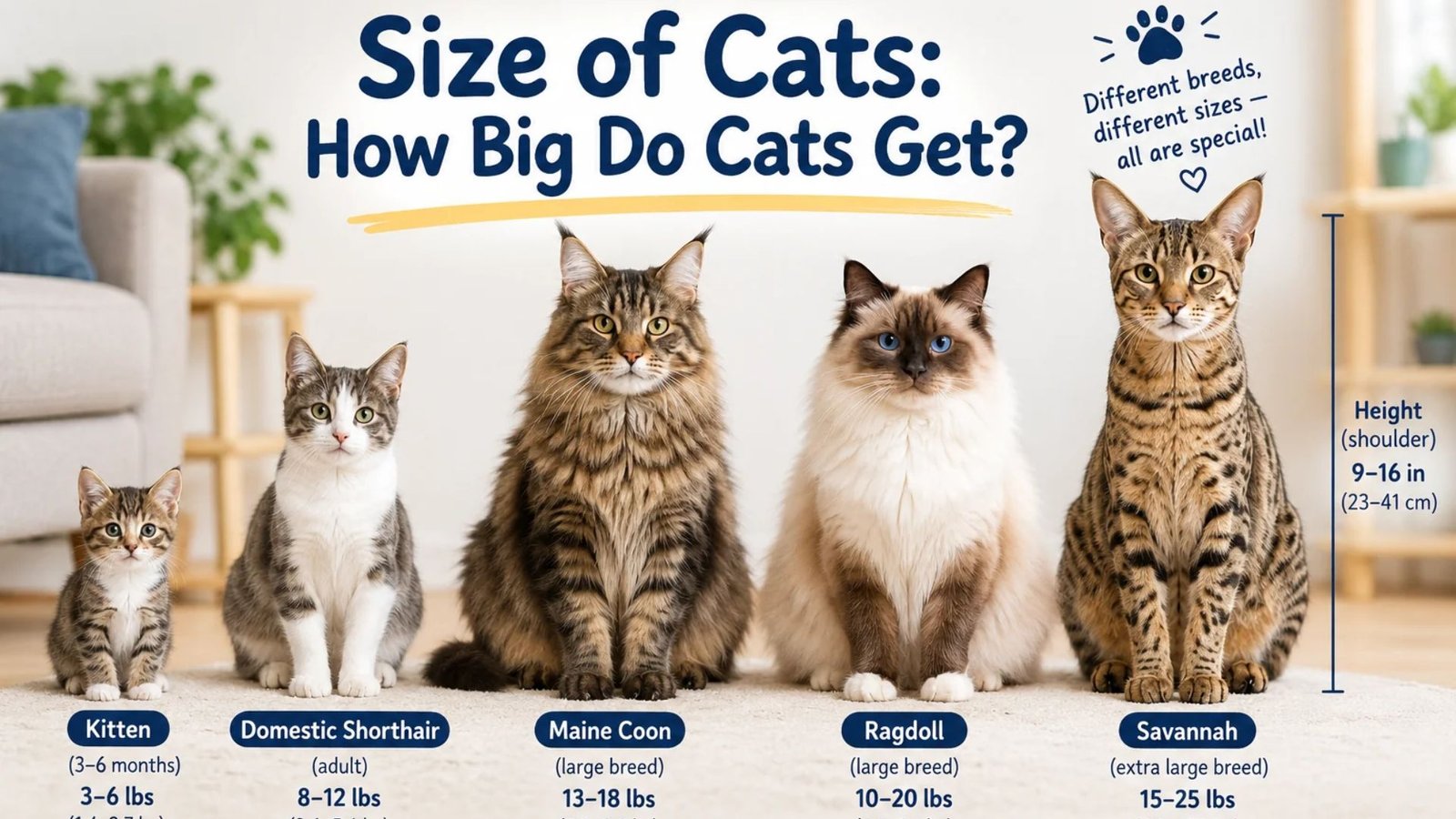
Size of Cats: How Big Do Cats Get?
Cats come in many shapes and sizes. Some are small enough to curl comfortably in [...]