
How Long Can Dogs Be Left Alone? A Safe Guide
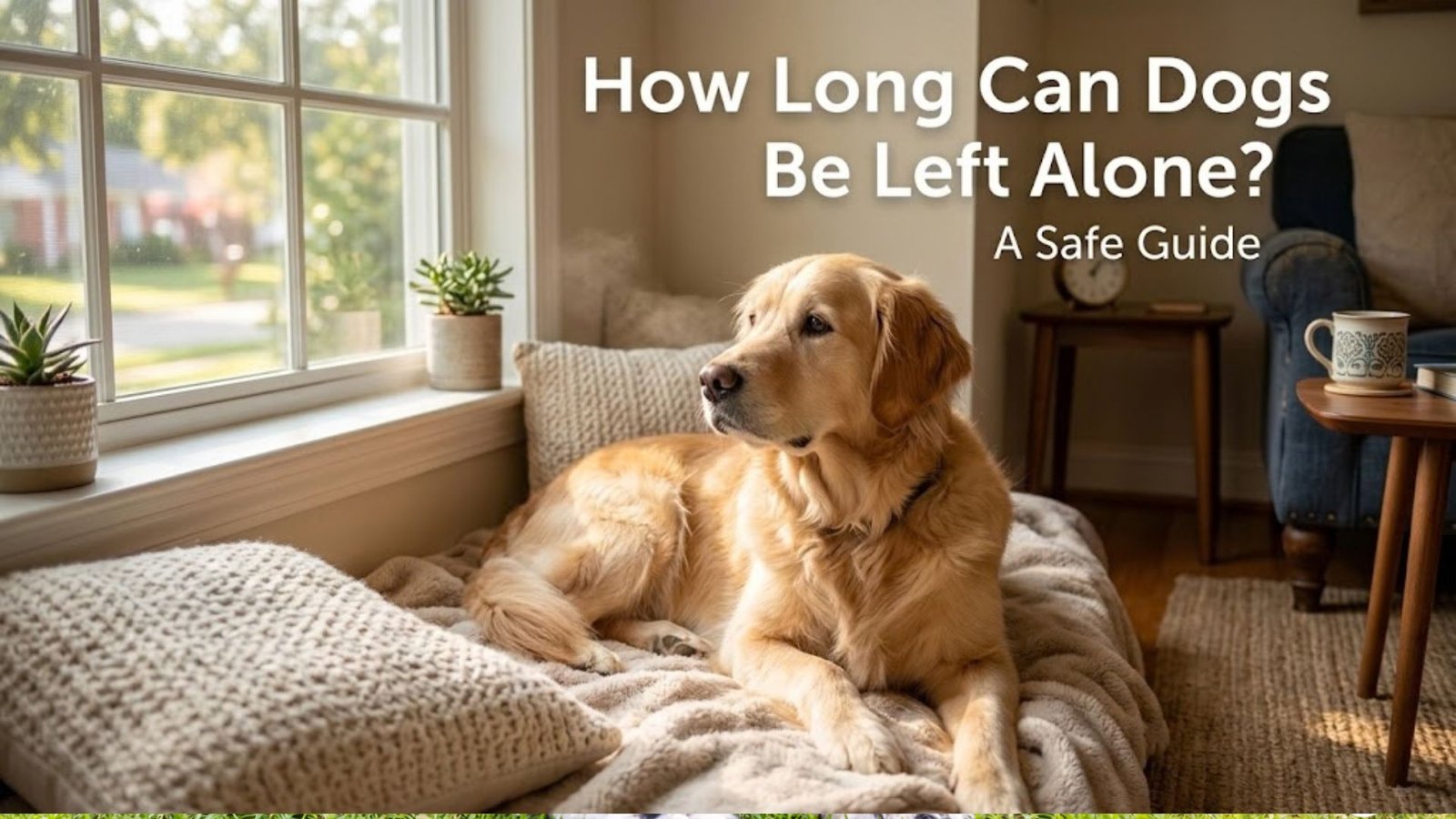
Dogs are loving companions who enjoy spending time with their families. However, most dog owners need to leave home for work, shopping, appointments, or other daily activities. This raises an important question: how long can dogs be left alone without feeling stressed or becoming uncomfortable?
The answer depends on several factors, including a dog’s age, health, personality, training, and bathroom needs. Some adult dogs can manage a few hours alone, while young puppies need much more attention and frequent toilet breaks. Dogs with separation anxiety may also struggle even when left alone for a short period.
Understanding your dog’s individual needs can help you create a safe and comfortable routine. With proper training, exercise, and preparation, you can make time alone easier for your dog while protecting their physical and emotional well-being.
How Long Can Dogs Be Left Alone Safely?
Most adult dogs should not routinely be left alone for a full working day without a break. Many can gradually learn to stay home alone for around four to six hours, although individual needs vary. Some comfortable, well-trained adult dogs may manage longer periods occasionally, but this should not be treated as a universal rule.
The most important thing is to consider more than bladder control. A dog may physically hold its urine for several hours but still feel lonely, bored, or anxious. Regular opportunities to exercise, use the toilet, interact with people, and explore their surroundings are important for a healthy life.
If you work outside the home, consider arranging a midday visit from a family member, dog walker, or pet sitter. Doggy daycare may also suit some social dogs.
Your dog’s behavior can help you decide whether the current routine is working. A relaxed dog that rests comfortably, eats normally, and behaves as usual when you return may be coping well. However, repeated barking, destructive behavior, indoor accidents, or frantic greetings may indicate that your dog needs more support.
ALSO READ:Dalmatian Poodle Mix: Care, Temperament and Health
How Long Can Puppies Be Left Alone?
Puppies generally need much more supervision than adult dogs. Their bladders are smaller, their routines are still developing, and they are learning how to cope with new experiences. Leaving a young puppy alone for several hours can create problems with toilet training, safety, and emotional development.
A very young puppy may need a toilet break every 30 to 60 minutes while awake, especially during active periods. As puppies grow, they usually gain better bladder control, but their needs still vary.
For example, a two-month-old puppy should not be expected to remain alone for an entire workday. A four-month-old puppy may manage short periods with appropriate preparation, but still needs frequent breaks, meals, supervision, and interaction.
Rather than relying on a strict age-based formula, gradually build your puppy’s ability to spend time alone.
Start with a few seconds or minutes while you remain nearby. Reward calm behavior and slowly increase the duration. Keep departures and returns relaxed so your puppy does not learn to associate them with stressful events.
Young puppies should not be left alone for long periods simply because they have access to food and water. They need regular opportunities to toilet, play, rest, and develop healthy social behavior.
If you must leave a young puppy, arrange suitable supervision or help from someone you trust.
How Long Can Adult Dogs Stay Home Alone?
Healthy adult dogs are often better able to manage time alone because they generally have stronger bladder control and more established routines. However, adulthood does not automatically mean a dog can comfortably spend eight or ten hours alone.
For many adult dogs, around four to six hours is a reasonable starting point for planning an absence. Some dogs may cope with shorter periods, while others can tolerate longer periods after gradual training. The appropriate duration depends on the individual dog.
Consider your dog’s daily routine before deciding how long to leave them.
A dog that receives a morning walk, has a comfortable resting area, and is accustomed to being alone may settle more easily than a dog that receives little exercise or has never experienced separation.
Even if your adult dog sleeps for much of the day, they still need regular bathroom opportunities and social contact.
If your schedule requires you to be away for eight hours or more, arranging a break is generally a better choice than expecting your dog to manage the entire period alone. A trusted visitor can provide a toilet break, a short walk, companionship, and an opportunity to check that everything is safe.
Remember that an occasional longer absence is different from making long periods alone a daily routine.
How Long Can Senior Dogs Be Left Alone?
Senior dogs may need more frequent attention than younger adults. Age-related changes can affect bladder control, mobility, hearing, vision, sleep, and comfort.
An older dog that previously managed several hours alone may begin needing more frequent toilet breaks. Dogs with arthritis may struggle to get up, while those with cognitive changes may become confused or anxious when their owners leave.
There is no single time limit that works for every senior dog. Some older dogs remain comfortable alone for a few hours, while others need supervision or shorter absences.
Watch for changes in your dog’s normal behavior. Frequent indoor accidents, nighttime restlessness, excessive thirst, confusion, or sudden anxiety should not automatically be blamed on aging. These changes can sometimes indicate a medical problem that requires veterinary attention.
Make the home comfortable for an older dog by providing an easily accessible bed, nonslip flooring where needed, fresh water, and a clear path to the toilet area if appropriate.
If your senior dog has difficulty walking or needs medication at specific times, plan your absences around those needs. A pet sitter or family member may help maintain a comfortable routine.
Factors That Affect How Long Dogs Can Be Left Alone
Every dog is different, so several factors should guide your decision.
Age: Puppies need frequent toilet breaks, meals, and supervision. Adult dogs may tolerate longer absences, while senior dogs may need extra care.
Health: Digestive problems, urinary conditions, mobility issues, and other medical concerns can make long periods alone difficult.
Temperament: Some dogs naturally settle when left alone. Others are highly social or become distressed when separated from their owners.
Training: Dogs that have learned to remain calm during short absences are often better prepared for longer periods. Training should be gradual rather than forced.
Exercise: Appropriate physical activity and mental stimulation can help a dog settle at home. However, exercise alone will not solve separation anxiety.
Toilet habits: Dogs need enough opportunities to relieve themselves comfortably. Puppies and dogs with medical conditions may require more frequent breaks.
Past experiences: Dogs that have experienced abandonment, major changes, or frightening events may need additional time and support to feel secure when alone.
Home environment: A quiet, comfortable room with safe resting areas may help a dog relax. Noise, excessive heat, unsafe objects, or constant outdoor disturbances can make staying home more difficult.
Considering these factors helps you create a realistic plan instead of following a time limit that may not suit your dog.
Signs Your Dog Is Not Comfortable Being Alone
Dogs cannot explain how they feel, but their behavior can provide important clues. Some dogs show distress immediately after their owners leave, while others display signs only after a longer period.
Common warning signs include:
- Repeated barking, whining, or howling.
- Chewing furniture, doors, or other household objects.
- Scratching doors or windows in an attempt to escape.
- Urinating or defecating indoors despite established toilet training.
- Pacing, panting, trembling, or excessive drooling.
- Refusing food or treats when left alone.
- Attempting to escape from a crate or confined area.
- Becoming unusually restless when you prepare to leave.
These behaviors do not always mean a dog has separation anxiety. Boredom, noise sensitivity, incomplete toilet training, and medical problems can produce similar signs.
A pet camera can help you understand what happens after you leave. Look for whether your dog settles after a few minutes or remains distressed throughout the absence.
If the behavior is frequent, severe, or getting worse, consult a veterinarian or a qualified behavior professional. Dogs with separation-related distress may need a carefully designed treatment plan rather than simply being left alone for longer periods.
How to Prepare Your Dog Before Leaving Home
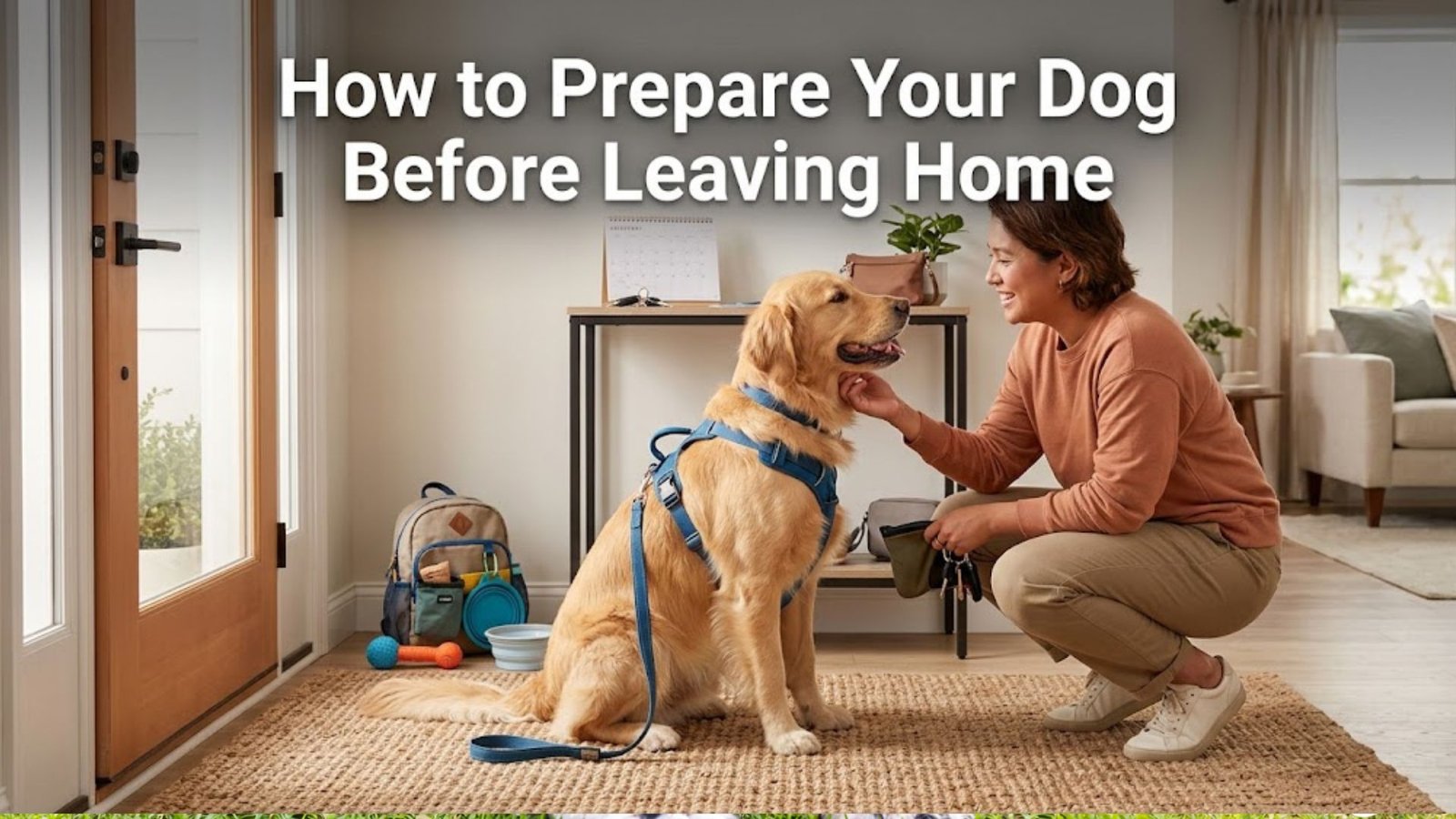
Preparation can make time alone more comfortable. A predictable routine helps your dog understand what to expect and gives them a chance to meet their basic needs before you leave.
Provide a suitable walk. Take your dog for an age-appropriate walk before a longer absence. Allow time for sniffing and toileting. Avoid excessive exercise, especially for puppies, senior dogs, or breeds with specific exercise limitations.
Offer a toilet break. Give your dog a chance to relieve themselves shortly before you leave. This is especially important for puppies and dogs that cannot comfortably wait for long periods.
Provide fresh water. Make sure your dog has access to clean drinking water. Do not restrict water to prevent accidents unless your veterinarian has given specific medical instructions.
Feed at an appropriate time. Follow your dog’s normal feeding schedule. Some dogs settle more comfortably after eating, while others need time to digest before activity. Avoid sudden changes in feeding routines.
Create a comfortable resting area. Choose a quiet, temperature-controlled space with a familiar bed and safe toys. Remove objects that could be swallowed, chewed dangerously, or knocked over.
Keep departures calm. Avoid making leaving home an emotional event. A simple routine can help your dog understand that departures are normal and that you will return.
Check the environment. Secure windows and doors, remove household hazards, and ensure that your dog cannot access cleaning products, medicines, electrical cables, or unsuitable food.
These steps cannot guarantee that every dog will remain calm, but they can reduce avoidable discomfort and help establish a safer routine.
How to Train Your Dog to Stay Home Alone
Learning to stay alone is a skill that develops over time. A dog should not be expected to tolerate several hours alone without preparation, particularly if they are young, newly adopted, or anxious.
Begin by helping your dog feel comfortable while you are still at home. Encourage them to rest on their bed or relax in a safe area while you move around the house.
Next, step into another room for a short time. Return before your dog becomes distressed and reward calm behavior when appropriate.
When your dog handles these brief separations comfortably, practice leaving through the front door for a few seconds. Gradually increase the duration according to your dog’s response.
For example, you might start with 10 seconds, then try 30 seconds, and later move to a few minutes. These are examples rather than fixed milestones. Some dogs progress quickly, while others need a slower approach.
If your dog starts barking, pacing, scratching, or showing signs of panic, the current step may be too difficult. Reduce the duration and seek professional guidance if necessary.
Avoid punishing your dog for destructive behavior or accidents that occur while you are away. Punishment after the event does not teach a dog how to feel comfortable alone and may increase fear.
Crate training can be useful for some dogs when introduced positively. However, a crate is not a solution for every dog, particularly one that panics when confined. Dogs must have enough space, appropriate breaks, and a safe environment.
The goal is not simply to make your dog tolerate separation. It is to help them feel secure when you are not present.
What Should You Leave for Your Dog While You Are Away?
The right environment can help your dog remain occupied and comfortable. However, everything you leave behind should be suitable for your dog’s age, chewing habits, and individual needs.
A comfortable bed gives your dog a place to rest. Familiar bedding may provide reassurance, provided it is safe for them.
Food-dispensing toys and suitable puzzle feeders can offer mental stimulation. Choose products designed for your dog’s size and chewing strength, and supervise their use initially to make sure they do not break apart or create a choking hazard.
Some dogs enjoy durable chew toys, while others prefer soft toys. Inspect toys regularly and remove damaged items.
Background noise, such as quiet music or a familiar television program, may help some dogs feel more settled. However, it is not necessary for every dog, and loud sounds may make certain dogs more anxious.
Fresh water should always be available. If your dog is prone to knocking over bowls, consider a stable, spill-resistant design.
A pet camera may allow you to check whether your dog is resting, playing, or displaying signs of distress. Some cameras also offer two-way audio, but hearing your voice unexpectedly may comfort certain dogs and confuse others. Test this carefully.
Most importantly, toys and entertainment should not replace human interaction, exercise, or bathroom breaks.
What to Do If You Work Full-Time
Working full-time does not mean you cannot provide a good home for a dog. However, your schedule needs to account for the time your dog spends without companionship.
If you are away for eight hours or longer, consider arranging a midday visit rather than expecting your dog to remain alone for the entire period. Travel time can make the absence even longer, so include your commute when planning.
A dog walker can provide exercise and a toilet break. A pet sitter may be more appropriate for puppies, senior dogs, or animals that need individual attention.
Doggy daycare can work well for some friendly, healthy dogs that enjoy group activities. It is not the right choice for every animal, particularly dogs that find busy environments stressful.
If possible, ask a trusted family member or friend to check on your dog. Some owners also adjust work schedules, arrange occasional work-from-home days, or share pet care responsibilities with another household member.
Before choosing daycare or a pet sitter, check their experience, safety procedures, supervision arrangements, and suitability for your dog’s personality.
You should also plan for unexpected delays. Keep contact details for a trusted backup caregiver and make sure they know your dog’s feeding routine, medical needs, and emergency information.
A thoughtful care plan helps protect your dog’s well-being while allowing you to manage work and other responsibilities.
Common Mistakes Dog Owners Should Avoid
Even caring owners can make mistakes when deciding how long their dogs can stay alone. Recognizing these problems can help you prevent unnecessary stress.
Leaving a dog alone for too long: A dog that appears quiet when you return may still have experienced anxiety or discomfort. Check how they behave during the absence rather than relying only on the condition of your home.
Increasing alone time too quickly: Moving from a few minutes to several hours can overwhelm a dog that is still learning. Build duration gradually.
Using a crate for the entire workday: A crate should not be used to solve every behavior problem or as a substitute for regular movement and toilet breaks. Confinement can make panic worse in some dogs.
Ignoring sudden accidents: A previously toilet-trained dog that begins having accidents may need a veterinary check, particularly if the change is sudden or accompanied by other symptoms.
Assuming every dog enjoys toys: Some dogs ignore toys when stressed. Others may destroy them and swallow dangerous pieces. Choose enrichment carefully.
Punishing destructive behavior: Chewing and scratching may reflect distress, frustration, or an unmet need. Identify the cause instead of relying on punishment.
Ignoring individual needs: Breed tendencies can provide clues, but they cannot determine exactly how long a particular dog can stay alone. Personality, training, health, and routine matter more than breed alone.
Avoiding these mistakes makes it easier to create a routine that respects your dog’s needs.
When Should You Ask a Veterinarian for Help?
Professional advice is important when your dog’s behavior or physical needs change.
Contact your veterinarian if your dog suddenly begins urinating indoors, drinks much more water than usual, appears confused, or develops new signs of distress when alone. These changes may have medical causes.
Seek help promptly if your dog injures themselves while attempting to escape, repeatedly damages their teeth or paws through frantic behavior, or becomes extremely distressed during separation.
A veterinarian can assess possible health problems and recommend a qualified behavior professional when needed. For dogs with separation anxiety, treatment may involve gradual behavior modification and, in some cases, veterinary-prescribed medication.
Do not give human medication or calming products without veterinary guidance.
Getting help early can prevent a manageable problem from becoming more severe. It also helps you decide whether your dog needs shorter absences, additional supervision, or a different home routine.
Conclusion
How long can dogs be left alone? For many healthy adult dogs, around four to six hours may be manageable, but this is a general guide rather than a guaranteed safe limit. Puppies, senior dogs, dogs with medical needs, and animals experiencing separation anxiety often require shorter absences and more frequent attention.
The best approach is to understand your dog’s individual needs, provide exercise and toilet breaks, create a comfortable environment, and gradually teach them to feel secure when alone.
If you work long hours, arrange support from a dog walker, pet sitter, family member, or suitable daycare service. Pay attention to changes in behavior and consult a veterinarian if you notice persistent distress or unexpected accidents.
ALSO READ:German Shepherd Mix Puppy: Care, Training and Health
FAQs
How long can dogs be left alone during the day?
Many healthy adult dogs can manage around four to six hours, depending on their training, health, and temperament. Longer absences may require a toilet break and companionship from a caregiver.
Can I leave my dog alone for eight hours?
Eight hours may be too long for many dogs without a break. If you work full-time, arrange a midday visit, dog walker, or pet sitter to provide a toilet break and interaction.
How long can a puppy be left alone?
Young puppies need frequent toilet breaks, supervision, meals, and social interaction. Start with very short periods and gradually increase the duration. Arrange suitable care when you need to leave home.
Is it cruel to leave a dog alone while working?
Not necessarily. Many dogs can learn to feel comfortable alone for reasonable periods. The key is to avoid excessive isolation, meet their daily needs, and provide support if they show signs of distress.
How can I tell if my dog has separation anxiety?
Possible signs include persistent barking, destructive behavior, pacing, panting, drooling, escape attempts, and indoor accidents when you leave. A veterinarian or qualified behavior professional can help determine the cause and recommend appropriate treatment.
Related Post

Air Dog: Meaning Uses and What Dog Owners Should Know
The phrase air dog can refer to more than one thing. Some people use it [...]
Antifungal Ear Drops for Dogs: Uses, Safety, and What Owners Should Know
Antifungal ear drops for dogs are commonly used to treat certain fungal and yeast-related ear [...]