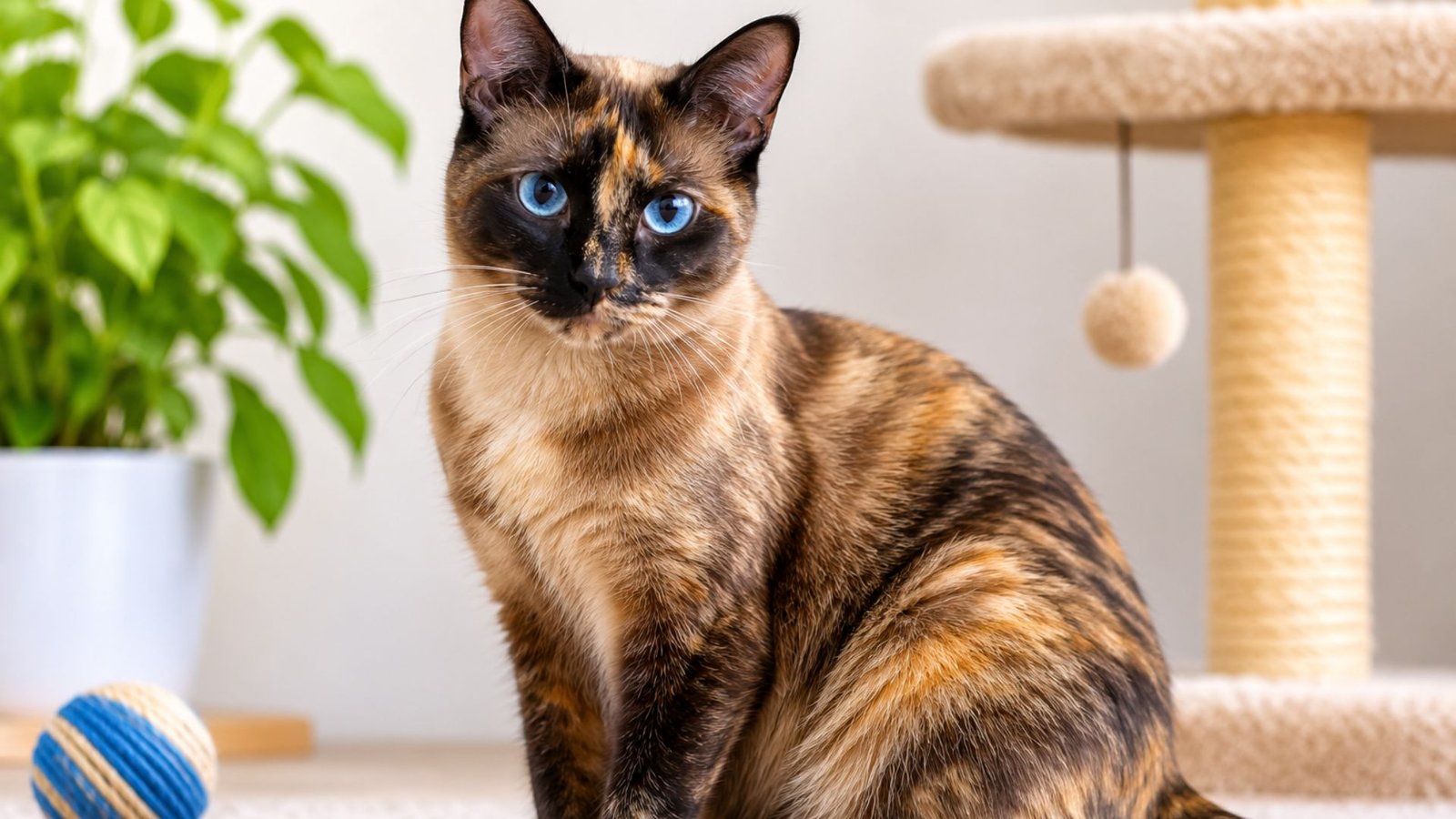
Why Does My Cat’s Back Twitch? Causes and What to Do

Have you ever noticed your cat’s back suddenly twitching, rippling, or moving under the skin? You might see the fur along your cat’s spine ripple, the skin jump, or your cat suddenly turn around to lick or bite its back. If you are wondering, “Why does my cat’s back twitch?”, the answer can range from a harmless response to touch to skin irritation or an underlying medical problem.
Occasional back twitching is not always a reason to worry. Cats have sensitive skin and can react to small movements, insects, sounds, and changes in their surroundings. However, frequent twitching, signs of pain, excessive grooming, or sudden bursts of unusual behavior may indicate that your cat needs veterinary attention.
Understanding when the movement is normal and when it could signal a problem can help you make the right decision for your pet.
Why Does My Cat’s Back Twitch?
A cat’s back can twitch for several reasons, including muscle contractions, fleas, skin allergies, stress, and a condition called feline hyperesthesia syndrome. The cause often becomes clearer when you observe what happens before, during, and after the movement.
For example, a cat whose skin ripples briefly when you stroke its back may simply be reacting to touch. A cat that repeatedly bites its lower back, scratches intensely, or runs around suddenly may be experiencing itching, discomfort, or abnormal skin sensitivity.
Pay attention to how often the twitching happens, which part of the back is affected, and whether your cat displays other symptoms.
ALSO READ:Like Cats and Dogs NYT: Crossword Answer Explained
Common Reasons Your Cat’s Back Is Twitching
Normal Muscle Movements
Cats sometimes experience small, brief muscle contractions that make their skin or back appear to jump. These movements may happen when your cat is relaxed, stretching, adjusting its posture, or reacting to a touch.
A short twitch without other unusual behavior is often harmless. If your cat continues eating, playing, grooming normally, and behaving as usual, there may be no immediate cause for concern.
However, repeated or strong muscle movements should not automatically be considered normal. If the twitching becomes more frequent or appears uncomfortable, arrange a veterinary examination.
Fleas and Other Parasites
Fleas are one of the most important causes to investigate when a cat’s back twitches or ripples, especially near the base of the tail.
Flea bites can cause intense itching. Some cats develop flea allergy dermatitis, an allergic reaction to flea saliva that makes even a small number of bites extremely irritating.
You may notice:
- Frequent scratching around the neck, back, or tail.
- Sudden skin rippling along the spine.
- Biting or licking the lower back.
- Small scabs or irritated patches of skin.
- Dark specks of flea dirt in the coat.
Not every cat with fleas will have obvious visible insects. Cats can remove fleas while grooming, so a lack of visible fleas does not completely rule out an infestation.
Use a flea comb to inspect the coat and ask your veterinarian about an appropriate cat-safe treatment. Never apply a dog flea product to a cat without veterinary confirmation, because some ingredients, particularly permethrin, can be highly toxic to cats.
Skin Allergies
Allergies can make a cat’s skin itchy, inflamed, and sensitive. The resulting discomfort may cause the muscles or skin along the back to twitch when your cat scratches or reacts to irritation.
Possible triggers include flea saliva, environmental allergens, and certain food ingredients. Other skin problems, such as infections or mites, can produce similar signs.
Look for redness, scabs, hair loss, frequent licking, or repeated scratching. Some cats develop small crusty bumps that are easier to feel than see.
Because several conditions can cause similar symptoms, it is best not to assume that your cat has a food allergy or to change its entire diet without advice. A veterinarian can examine the skin and recommend suitable tests or a carefully managed elimination diet if necessary.
Feline Hyperesthesia Syndrome
Feline hyperesthesia syndrome is a condition associated with unusually increased sensitivity, often involving the skin along a cat’s back, particularly the area near the tail.
During an episode, a cat may show dramatic skin rippling, sudden tail movements, dilated pupils, or intense reactions to touch. Some cats abruptly run around, vocalize, lick their backs, or bite at their skin or tail.
These episodes can look alarming, but their cause is not fully understood. Skin disease, pain, neurological problems, and behavioral factors may produce similar signs, so the syndrome should not be diagnosed from twitching alone.
If you notice repeated episodes, record a video and arrange a veterinary appointment. A veterinarian can investigate other possible causes before considering feline hyperesthesia syndrome.
Stress, Fear, or Excitement
Cats can display physical reactions when they feel nervous, overstimulated, or excited. Their tails may flick, their backs may tense, and their skin may ripple briefly.
Common triggers include unfamiliar visitors, loud noises, other animals, changes in the household, or petting that continues after your cat has had enough.
Watch your cat’s body language. Flattened ears, a rapidly moving tail, tense muscles, attempts to move away, and sudden turning toward your hand can indicate overstimulation.
Give your cat space and allow it to choose when to interact. Avoid repeatedly touching a sensitive area to test its reaction.
Pain or Discomfort
Back twitching may sometimes be associated with pain in the spine, muscles, joints, or nearby tissues. Cats often hide discomfort, so subtle behavior changes can be important.
Possible warning signs include reluctance to jump, stiffness, reduced activity, hiding, irritability, or reacting strongly when a particular area is touched.
Pain may also come from an injury or another medical condition that is not obvious from the outside.
If the twitching began after a fall, accident, or rough encounter, seek veterinary advice promptly. Do not press along the spine or try to manipulate your cat’s back to find the painful spot.
Twitching During Sleep
A cat may twitch its paws, whiskers, ears, or body while sleeping. Small movements can occur during normal sleep, including dream-associated activity.
If your cat is comfortably asleep and the movements stop when it wakes naturally, they are often not concerning.
However, movements that are prolonged, unusually intense, difficult to interrupt, or accompanied by loss of awareness should not automatically be attributed to dreaming. If you are concerned about a possible seizure, seek veterinary guidance.
Irritation From Grooming Products
Shampoos, sprays, scented products, and other substances that contact a cat’s skin may sometimes cause irritation. Cats may react by twitching, scratching, licking, or avoiding touch.
Cats also ingest substances when grooming, so products that are safe for people are not necessarily suitable for pets.
Use only products appropriate for cats. If the twitching started after applying a product, contact your veterinarian for advice and provide the product’s name and ingredients.
Why Does My Cat’s Back Twitch When I Pet It?
If your cat’s back twitches specifically when you stroke it, the movement may be a normal skin reflex. Cats have sensitive nerve endings that help them respond to touch and environmental changes.
However, context matters. A brief ripple during gentle petting is different from a strong reaction accompanied by biting, growling, skin irritation, or attempts to escape.
Some cats become overstimulated when they are petted repeatedly, especially along the lower back or near the base of the tail.
Try these steps:
- Stop petting as soon as you notice repeated twitching.
- Allow your cat to move away freely.
- Offer gentle strokes around the cheeks or head if your cat enjoys them.
- Avoid pressing, rubbing, or repeatedly touching the sensitive area.
- Observe whether the reaction happens every time or only occasionally.
If gentle touch consistently triggers a strong reaction, particularly one that seems painful, arrange a veterinary examination.
Why Does My Cat’s Lower Back Twitch Near the Tail?
Twitching near the base of the tail can be associated with several conditions. Fleas and flea allergy dermatitis are important possibilities because this area is a common location for flea-related irritation.
Other explanations include skin allergies, wounds, pain, overstimulation, and feline hyperesthesia syndrome.
Check for hair loss, scabs, excessive grooming, and changes in tail movement without pressing on the area. If your cat repeatedly turns around to bite its lower back or tail, the behavior deserves attention.
Seek urgent veterinary care if the tail suddenly becomes limp, your cat appears severely painful, or it develops weakness or difficulty walking.
When Is Back Twitching Normal?
Back twitching is more likely to be harmless when it is brief, occasional, and not accompanied by other symptoms.
For example, your cat may experience a small skin ripple after a light touch, a brief muscle movement while stretching, or minor movements while sleeping.
Reassuring signs include:
- Your cat remains alert and responsive.
- The movement stops quickly.
- Your cat does not appear frightened or painful.
- There is no excessive scratching or biting.
- Eating, walking, grooming, and normal activities continue as usual.
These signs are reassuring rather than a guarantee that nothing is wrong. If you are uncertain, or the twitching is new and recurring, contact your veterinarian.
Warning Signs That Need Veterinary Attention
A cat with frequent or unexplained back twitching should be examined if the episodes continue, become more intense, or occur alongside other symptoms.
Arrange a veterinary appointment if you notice:
- Repeated skin rippling or muscle spasms.
- Persistent itching, licking, or biting.
- Hair loss, scabs, redness, or open sores.
- Sensitivity or aggression when the back is touched.
- Changes in appetite, sleep, activity, or behavior.
- Difficulty jumping or signs of stiffness.
Seek emergency veterinary care if twitching occurs with collapse, loss of awareness, breathing difficulty, severe weakness, inability to walk, or suspected poisoning. Repeated seizures or a seizure lasting five minutes or longer are also emergencies.
If a seizure is possible, keep your cat away from stairs and hard objects, do not restrain it, and never put your fingers in its mouth.
How to Help a Cat Whose Back Is Twitching
The safest response depends on the cause. You can take a few practical steps while deciding whether your cat needs veterinary care.
Observe the Episode
Notice where the twitching starts, how long it lasts, and whether it happens after petting, grooming, sleeping, or exposure to a particular trigger.
A short video can be especially useful because episodes may stop before your cat reaches the clinic.
Check the Coat Gently
Look for fleas, flea dirt, scabs, redness, or missing fur. Use a flea comb if your cat tolerates it, but stop if the examination causes distress.
Avoid scratching or pressing the affected area to reproduce the twitching.
Reduce Stress
Provide a quiet place where your cat can retreat. Keep feeding, play, and rest routines consistent, and give your cat access to hiding places and elevated resting areas.
If handling appears to trigger the movement, avoid touching the sensitive region until you have received veterinary advice.
Avoid Unapproved Treatments
Do not give human painkillers, apply essential oils, or use random creams or insecticides. Some substances that people commonly use can poison cats.
If you suspect fleas, choose a treatment specifically approved for cats and appropriate for your cat’s age and weight, preferably with veterinary guidance.
Schedule a Veterinary Examination
If twitching persists, recurs, or is accompanied by itching or pain, arrange an appointment. Your veterinarian may examine the skin, check for parasites, assess pain and movement, and recommend further testing when necessary.
Treatment may involve parasite control, management of skin disease, pain relief, or additional investigation depending on the diagnosis. There is no single treatment that is appropriate for every cat with a twitching back.
How a Veterinarian Finds the Cause
A veterinarian will usually consider the complete pattern of symptoms rather than the twitching alone.
They may ask when the episodes started, whether your cat reacts to touch, whether the behavior occurs during sleep, and whether there have been recent changes in food, medication, grooming products, or the home environment.
The examination may include checking the coat and skin for fleas, inflammation, or infection, as well as assessing the back, muscles, movement, and neurological responses.
Depending on the findings, additional tests may be recommended. These can help distinguish skin irritation, pain, neurological conditions, and behavioral triggers.
Sharing a clear video and notes about the episodes can make the assessment more useful.
Can You Prevent Your Cat’s Back From Twitching?
Not every cause can be prevented, but good routine care can reduce some common triggers.
- Maintain consistent, veterinarian-recommended flea prevention.
- Keep your cat’s bedding and resting areas clean.
- Use cat-safe grooming products.
- Introduce household changes gradually when possible.
- Provide regular play, hiding places, and a predictable routine.
- Handle your cat gently and respect signs that it wants to stop.
- Arrange routine veterinary checkups and investigate new symptoms early.
If your cat has a diagnosed skin or neurological condition, follow the treatment and monitoring plan provided by your veterinarian.
Conclusion
If you are asking, “Why does my cat’s back twitch?”, remember that occasional twitching can be a normal response to touch, sleep, or movement. However, fleas, allergies, pain, stress, and feline hyperesthesia syndrome can also cause unusual skin or muscle movements.
Pay attention to the frequency of the twitching and any changes in your cat’s behavior. Avoid repeatedly touching the affected area, using unapproved treatments, or assuming that dramatic twitching is harmless.
If episodes continue, your cat seems uncomfortable, or you notice additional symptoms, arrange a veterinary examination. Sudden severe symptoms, collapse, seizures, or difficulty walking require urgent care.
ALSO READ:Can Fixed Cats Go in Heat? Signs and Causes
FAQs
Why does my cat’s back twitch randomly?
Random twitching can result from normal muscle movements, sensitive skin, fleas, allergies, stress, or other medical conditions. If it happens frequently or comes with itching, pain, or unusual behavior, consult your veterinarian.
Is it normal for a cat’s back to ripple?
Occasional skin rippling can be a normal reflex, especially after touch. Repeated or intense rippling, particularly with frantic grooming or sudden bursts of activity, should be evaluated by a veterinarian.
Why does my cat twitch when I touch its lower back?
Your cat may be responding to sensitive skin or overstimulation. Fleas, allergies, and pain can also cause this reaction. Stop touching the area and seek veterinary advice if the response is strong, persistent, or painful.
Can fleas cause a cat’s back to twitch?
Yes. Flea bites can make the skin itchy, particularly around the lower back and tail. Some cats develop an allergic reaction to flea saliva, so even a small number of fleas can cause significant discomfort.
When should I worry about my cat’s back twitching?
Be concerned if twitching is frequent, severe, or accompanied by excessive licking, skin damage, pain, weakness, or changes in behavior. Seek emergency care for collapse, seizures, breathing problems, or inability to walk.
Related Post
How Long Can Cats Hold Their Pee? A Complete Guide
Cats are usually good at using their litter boxes, but sometimes they may go longer [...]
Why Is My Cat Acting Weird? Causes and What to Do
If your cat is suddenly hiding, meowing more than usual, acting clingy, or behaving in [...]